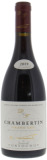

| Classification | Cru Classe |
| Type | Red |
| Producer | Domaine Tortochot |
| Vintage | 2022 |
| Country | France |
| Main region | Burgundy |
| Region | Côte de Nuits |
| Appellation | Chambertin |
| Grape | Pinot Noir |
| Volume | 0,75 |
| Condition | Perfect |
| Label | Perfect |
| Drinkable | 2028-2042 |
| Stock | 0 |
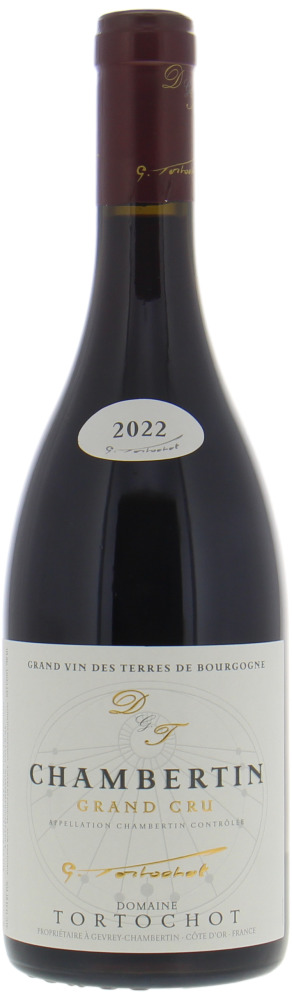
The 2022 growing season in the Côte de Nuits was supposed to be a hot and dry year. But it did not. The vines adapted, ripening was even, and the harvest was early. For Domaine Tortochot's 2022 Chambertin, this meant ripe tannins and surprisingly fresh, healthy fruit. From a small parcel in the Grand Cru Chantal Tortochot comes a structured but not heavy wine, a serious wine for 2022.
Cask sample. Profound, deep and lingering on the nose and palate. Fresh acidity combines beautifully with the ripe dark-cherry and plum fruit notes. Spicy oak compliments. Has the concentration of the grand cru. Give this several years.
The world of fine wines Sarah Marsh (MW)
Higher toned than the Mazis. More blueberry fruit. Spicy attack. Channeled and focused. This has slight austerity. Streamlined and energetic with very good persistence. 97
First and foremost, the nose is impressive. Black cherries, blackberries, whispers of licorice, spicy notes typical of Jouvret, leather, forest floor, and iron. The palate is rich, but with firm tannins typical of Chambertin. The 2022 has the depth one would expect from this Grand Cru, but its freshness keeps it from feeling heavy. The finish is long and minerally.
100% Pinot Noir. Burgundy's Grand Cru rules do not allow otherwise. The limestone and calcareous marls of Bajocchi give the wine more grip and density than the silky style and perfumed Chambolle of Vosne. The Pinot Noir from the Tortouchot parcel is darker, denser and more brooding. It's the same grape, but with more depth.
Drink between 2030 and 2050. 2022 wines have the right tannin density and acid balance for long-term aging. store at 12-14°C. As it ages, expect the dark fruit flavors to give way to truffle, leather and underbrush notes. This wine requires patience.
Tortochot is not a name that always comes up in Burgundy wine talk. This is one of the reasons why we like to keep this wine. The estate has been in the hands of the family since 1865, and Chantal Tortochot took over in the late 1990s after a career in finance. She studied oenology at the University of Burgundy and obtained organic certification (Ecocert) for the estate. The Grands Crus, including Chambertin, sit on about 11-12 hectares of land in 34 plots. In our opinion, the wines offer Grand Cru quality without the Grand Cru hype.
Chambertin is a 12.90 hectare vineyard located on a gentle east-southeast facing slope, 275-300 meters above sea level, in the heart of Gevrey-Chambertin. The soil is brown limestone over Bajocian rocks, with bands of marl, pebbles and iron-rich red earth. Why it's important. The clay retains moisture even in dry summers and keeps the vines balanced in hot weather. Limestone gives the wines a mineral backbone. The east-facing aspect provides morning sun, slow ripening and the aromatic precision that Pinot Noir so desperately needs.
Domaine Tortochot chills the grapes to around 10°C and after a week of cold maceration, fermentation begins using native yeast in open tanks. Most of the stems are removed, but in warmer years about 25% are picked in whole bunches to preserve freshness. The pressing is done using a pneumatic press. Chambertin is aged longer than the 12-14 months for Premier Cru, using about 80% new French oak barrels. Although the amount of new oak is high, the concentration of Chambertin absorbs it. The wine undergoes no fining or filtration before bottling.
The power of Chambertin requires the right red meat. Try:
Serve at 16-18°C. Decant a young bottle for 1 hour before serving.
With track & trace code