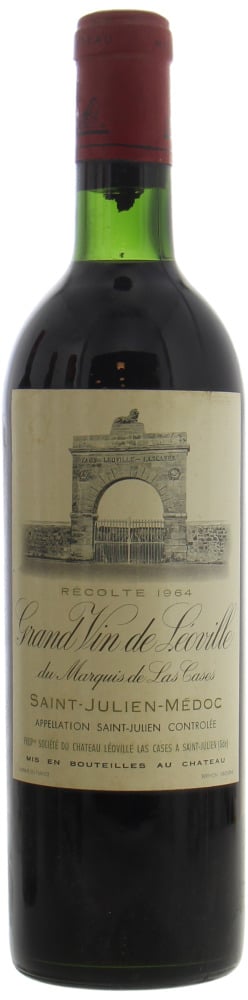
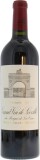
| Classification | Dèuxieme Cru Classé |
| Type | Red |
| Producer | Chateau Leoville Las Cases |
| Vintage | 1964 |
| Country | France |
| Main region | Bordeaux |
| Region | Saint-Julien |
| Grape | Cabernet Sauvignon, Merlot, Bordeaux Blend |
| Volume | 0,75 |
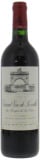
| Condition | Perfect |
| Label | Very Good |
| Stock | 1 |
The 1964 Bordeaux harvest was hit by incessant September rains at the start of the harvest. For Chateau Leoville Las Cases, this meant a difficult decision. Wait for better conditions or harvest the grapes immediately to avoid further dilution. The Dolons chose patience and selected only the healthiest grapes from the Grand Clos vineyard. The result is a wine that is complex in its youth, yet shows the estate's commitment to quality even under difficult conditions. This vintage expresses the essence of a difficult year spent by the experienced hands of Saint-Julien.
Soft and supple, not as generous as one might expect from a highly regarded vintage for Las Cases, but showing nice cigar-box, cedar and truffle overtones to the modest currant and berry flavors
2021: Sehr dunkles Granat in der Mitte, passende Reifetöne am Rand. Geniales, würzig-kräutriges Bouquet, Erd-Eisenton, Steinmehl, Korinthen, Tabak, Hirschleder, getrocknete Pflaumenhaut. Sehr elegant im nasalen Ansatz und vielschichtig. Saftiger, balancierter Gaumen, weiche Tannine, rotbeerige Fruchtresten, wieder so in Richtung rote Pflaumen abdriftend, Zedernholz, wunderschön mit feinen Stielwürznoten ausklingend. Obwohl fragil immer noch sehr gut erhalten. Dass ein solcher Wein aus einem nicht ganz einfachen Jahr nach so vielen Jahren noch so viel Trinkfreude bereitet, ist genau das Wunder von Bordeaux. Im Markt noch um 250 Franken erhältlich. Der 2020 kostet in der Subskription genau gleich viel. Man rechne!
Tasted 2021: Very dark garnet in the centre, matching ripe tones on the rim. Ingenious, spicy-herbal bouquet, earthy-iron tones, stone flour, currants, tobacco, deerskin, dried plum skin. Very elegant in the nasal approach and multi-layered. Juicy, balanced palate, soft tannins, red berry fruit residue, drifting back towards red plums, cedar wood, finishing beautifully with fine stem spice notes. Although fragile, still very well preserved. The fact that such a wine from a not-so-easy year is still such a pleasure to drink after so many years is precisely the miracle of Bordeaux. Still available on the market for around 250 francs. The 2020 costs exactly the same in the subscription. You do the maths!
Beautiful wine during blind tasting, impressed. Took it for a 80's wine.
Cabernet Sauvignon predominates here, with the percentage usually around 65% in Leoville Las Cases. This percentage reflects the estate's gravelly soils, which drain well and warm the Cabernet to full ripeness. Merlot makes up about 19% of the blend, adding fleshiness to the middle of the palate. Cabernet Franc makes up 16% of the blend, higher than other Left Bank farmers. What matters is this: This percentage of franc gives the wine an aromatic lift, helps it age, and contributes to the violet and spice notes that set Las Cases apart from its Pauillac neighbors.
Saint-Julien is all about power and finesse, and the 2009 Chateau Leoville Las Cases is a fine expression of both. The nose opens with classic Left Bank blackcurrant and graphite character, but there is more complexity. Cedar and tobacco leaf emerge, suggesting that the wine was aged in French oak for 18 months. On the palate, the wine shows remarkable concentration without being heavy-handed. The tannins are firm but refined, supporting flavors of dark fruit that seem to go on forever. This wine has the backbone of a wine that has been decades in the making, not years. Decant it and you can drink it now, but patience will be rewarded.
Best time to drink: 2024-2040, perhaps even longer The Chateau Leoville Las Cases wine from the 2009 vintage has the concentration and tannin backbone that define the aging potential of great Bordeaux. It needs a few more years for these firm tannins to fully integrate, but once that happens, it will be enjoyable for 20 years. Store in the dark at 55°F. As it ages, expect the primary fruit flavors to give way to more complex notes (leather, earth, truffle). The Cabernet Sauvignon base (76% of the blend) ensures long aging.
Jean-Hubert Delon is the latest generation of the family that has been building this estate since 1900 on a foundation laid in 1638. But what makes the Delon family stand out? Their willingness to sacrifice quantity for quality. In difficult vintages, they have been known to downgrade up to 67% of the harvest. This no-compromise approach explains why Las Cases is consistently rated among the top second growths. Best of Wine considers this estate to be one of the most reliable producers in Bordeaux.
The 55-hectare Grand Clos vineyard is located right next to Château Latour. Only a small stream separates these two legendary estates. This proximity is no accident. Both estates share the same deep Gunz gravel soils overlying a clay-limestone subsoil deposited during the Pleistocene period. So what makes Las Cases different? Its prime southeastern location brings optimal morning sun while avoiding the intense midday heat. These well-drained gravel soils store heat during the day and release it at night, allowing for a longer growing season and allowing the Cabernet Sauvignon to fully ripen even in difficult years.
Tannins require protein, which is why Côtes de Boeuf is so well suited to this wine. Beef fat softens the wine's structure, and the iron-rich meat responds to the terroir. Roasted duck breast with cherry gastrique is a perfect bridge between the wine's fruitiness and its earthy notes. Of the cheeses, choose a mature Comté or Roquefort. The salty and umami flavors balance the wine's intensity; serve at 16-18 °C and decant for at least an hour. The wine will show patience at the table as well as in the cellar.
The Delon family has kept the tradition alive while adding modern touches. Fermentation takes place in temperature-controlled stainless steel and concrete tanks to preserve the purity of the fruit before it goes into barrels. Important decisions are made after malolactic fermentation, the wine is aged in French oak barriques for 18-20 months. This may sound aggressive, but the Grand Clos vineyard produces fruit with enough concentration for this. The result? We end up with the layered, complex flavors that Saint-Julien is known for, with notes of cedar and tobacco along with black currants.
With track & trace code