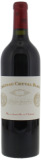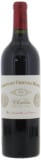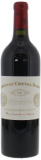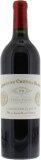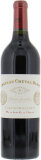

| Classification | Premier Grand Cru Classe A |
| Type | Red |
| Producer | Chateau Cheval Blanc |
| Vintage | 1990 |
| Country | France |
| Main region | Bordeaux |
| Region | Saint-Emilion |
| Grape | Merlot, Cabernet Franc, Bordeaux Blend |
| Volume | 0,75 |
| Condition | Perfect |
| Label | Perfect |
| Drinkable | -2025 |
| Stock | 0 |
The 1990 growing season in Saint-Émilion produced exactly what Château Château Cheval Blanc needed. A warm, dry summer allowed the grapes to concentrate without stress, while cool nights preserved acidity. Harvesting began on September 10. Although early for the time, it was the perfect time for the Merlot and Cabernet Franc to reach optimum ripeness. This vintage showed the world why Cheval Blanc is the pinnacle of Bordeaux's Right Bank.
One of my favorite Cheval Blancs, it remains to be seen if the 1998, 2000, and 2008 will live up to this offering. It is the ripest wine of the aforementioned vintages, with a complex bouquet of tobacco leaf, Christmas fruitcake, sweet black fruits, bordering on fig and plum, but no hint of overripeness, and notions of new saddle leather, mint, and incense. The gorgeously expressive aromatics are followed by a full-bodied wine revealing abundant glycerin as well as elevated alcohol, but it is not hot, and nothing is out of place. Expansive, rich, and revealing the nuances and complexity that come from bottle age, it is at its peak of maturity where it should remain for another 10-15 years.
Dark ruby red. Superripe aromas of raisins, dried plums and intense truffle. Full-bodied, chewy and layered, with lovely ripe fruit. Such beauty. Serious Cheval
Rene Gabriel rates this wine 20/20 points.
The nose is dominated by dense blackcurrant and blackberry fruit, but underneath is something more complex: graphite-like minerals from the gravelly soil and floral notes that scream Cabernet Franc. On the palate, the wine shows remarkable concentration without being heavy. The tannins are firm but refined, and the wine shows great potential for aging. At over 30 years old, this wine is beautiful to drink now, but still has reserves of power to age much longer. The palate offers layers of dark chocolate, cedar, and the earthiness that is characteristic of St. Emilion. The finish lingers indefinitely.
What makes Château Cheval Blanc unusual on the Right Bank is the high percentage of Cabernet Franc. The blend usually includes
But why use so much Cabernet Franc when most Saint-Emilion farmers rely on Merlot? The answer lies in Cheval Blanc's unique gravelly sandy soils, which are well-drained enough to ensure that the Cabernet Franc ripens reliably. The high percentage of Cabernet Franc gives the wine a complexity and structure not found in pure Merlot. This is one of the most characteristic approaches to blending in Bordeaux.
Best time to drink is from now until 2040. The backbone of this wine is built on a foundation of iron-rich clay, which supports long-term aging; store in a dark place at 12-15°C (54-86°F). Waiting will further integrate the fruit with tertiary nuances of tobacco and leather. But honestly? It's gorgeous now. The tannins have softened wonderfully, preserving the backbone of dark fruit and mineral precision.
Bernard Arnault and Baron Albert Frère have owned this 37-hectare estate since 1998 and have transformed it with a futuristic cellar completed in 2011. But the real story began in 1832, when Jean-Jacques Ducasse harvested the main vineyard. Today, Technical Director Pierre-Olivier Clouet manages the vines, which average more than 45 years old in the unique gravel and sand soils. Best of Wines has seen the estate consistently produce wines with extraordinary aging potential. This is why we believe Cheval Blanc is a must-have for serious Bordeaux collectors.
Cheval Blanc is situated on exceptional terroir for a Saint-Emilion. Rather than the limestone plateau that most right bank estates call home, it is the gravelly sandy soil typical of Pomerol. This well-drained soil structure is the reason why Cabernet Franc thrives here while it struggles elsewhere in the appellation. 8,000 vines per hectare planted at a density that avoids root competition and concentrates flavors. In addition, mature vines, 45 years old or more, dig deep into the soil in search of nutrients and water. The result is a powerful, weightless, refined tannin structure.
Cheval Blanc is aged for 15-18 months in French oak barrels, usually 50-80% new, depending on the strength of the vintage. Both stainless steel and concrete tanks are used to allow the grapes from different sites to develop their individual traits before blending. Gravel and sand soils drain quickly, allowing flavors to naturally concentrate. This means less intervention is required in the cellar. The average age of the vines is 45 years, giving the wine a complexity that younger vines lack.
This structure calls for richness. The combination of duck breast and cherry sauce is perfect: the fat softens the tannins and the fruitiness echoes the dark berry notes of the wine itself. However, game such as guinea fowl and pheasant should not be overlooked. The earthy minerality of the wine enhances the complexity of the meat. Mature Comté or aged Roquefort would go well with cheese. The acidity of the wine cuts through the richness and the depth matches the strength of the cheese; decant within an hour and serve at 16-18°C.
With track & trace code