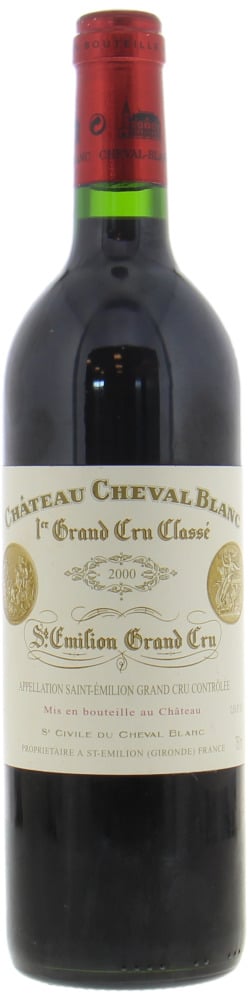
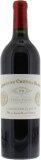
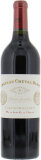
| Classification | Premier Grand Cru Classe A |
| Type | Red |
| Producer | Chateau Cheval Blanc |
| Vintage | 2000 |
| Country | France |
| Main region | Bordeaux |
| Region | Saint-Emilion |
| Grape | Merlot, Cabernet Franc, Bordeaux Blend |
| Volume | 0,75 |
| Condition | From Original Wooden Case |
| Label | Perfect |
| Stock | 0 |
The 2000 growing season in St. Emilion provided exactly what the Merlot and Cabernet Franc grapes needed: warm, dry conditions and enough rain late in the season to maintain balance. For Château Cheval Blanc, this meant that the fruit ripened fully without the over-extraction that has characterized some estates. Harvesting began in early October under ideal conditions, allowing the estate to harvest each parcel at optimum ripeness. Composed of 58% Merlot and 42% Cabernet Franc, the vintage shows the unique terroir advantages that set Cheval Blanc apart from its Saint-Emilion neighbors.
Coming out of a relatively dormant state, this 2000 is a spectacular Cheval Blanc. Of recent vintages, I think only the 2009 can give it a run for its money. A blend of 53% Merlot and 47% Cabernet Franc, the wine has a sweet nose of menthol, melted licorice, boysenberry, blueberry, and cassis. A broad wine with compelling purity, a layered texture, and sweet tannin, with hints of coffee and earth in the background, this is by far the best Cheval Blanc since 1990 and before 2009. It is a legend in the making and can actually be drunk now, as the tannins have nearly melted away. This is a beauty with incredibly complex aromatics. Drink it over the next 25-30 years.
Fresh mineral, berry and earth aromas. Decadent. Full-bodied, yet refined and silky, with a lovely, long finish that goes on and on, with tobacco, berry, cherry and spices. It's not the 1998, but it's very good indeed.
Rene Gabriel rates this wine 19/20 points.
In 2000, it seems the Cabernet Franc made Cheval Blanc. It has given a mysterious, wonderful perfume to the intense richness of the Merlot. It has less of the explosive power of Ausone, it is more subtle and elegant, reserving its explosion of richness for the end, when a welter of black fruits seems to go on for ever

Aromas of dark cherry and black currant Merlot form the core of this wine, complemented by notes of violet and cedar characteristic of Cabernet Franc. Underneath is a sense of iron-like minerality, characteristic of the gravelly-sand terroirs inherent in Cheval Blanc. On the palate, the wine shows noticeable density without a sense of heaviness. The tannins are fine but firm, with a structure that suggests this vintage will persist for decades to come. Notes of tobacco and graphite are present on the finish, indicating the wine's aging potential. At 24 years of age, this wine still drinks well today, but has a structure that will continue to evolve.
What makes Château Cheval Blanc unusual on the Right Bank is the high percentage of Cabernet Franc. The blend usually includes
But why use so much Cabernet Franc when most Saint-Emilion farmers rely on Merlot? The answer lies in Cheval Blanc's unique gravelly sandy soils, which are well-drained enough to ensure that the Cabernet Franc ripens reliably. The high percentage of Cabernet Franc gives the wine a complexity and structure not found in pure Merlot. This is one of the most characteristic approaches to blending in Bordeaux.
The 2000 wine, which is best drunk from 2020 to 2045, or perhaps longer, combines the elegant structure inherent in Cheval Blanc with exceptional concentration due to the growing conditions that year. The firm tannins mentioned above continue to soften, and the mineral backbone of the wine remains fresh. Store in the dark at 55-60°F. What will change over time? Expect the primary fruit flavors to evolve from black to more complex dried fruit characteristics, and more tertiary notes such as leather, forest floor and truffle to emerge.
Bernard Arnault and Baron Albert Frère have owned this 37-hectare estate since 1998 and have transformed it with a futuristic cellar completed in 2011. But the real story began in 1832, when Jean-Jacques Ducasse harvested the main vineyard. Today, Technical Director Pierre-Olivier Clouet manages the vines, which average more than 45 years old in the unique gravel and sand soils. Best of Wines has seen the estate consistently produce wines with extraordinary aging potential. This is why we believe Cheval Blanc is a must-have for serious Bordeaux collectors.
Cheval Blanc is situated on exceptional terroir for a Saint-Emilion. Rather than the limestone plateau that most right bank estates call home, it is the gravelly sandy soil typical of Pomerol. This well-drained soil structure is the reason why Cabernet Franc thrives here while it struggles elsewhere in the appellation. 8,000 vines per hectare planted at a density that avoids root competition and concentrates flavors. In addition, mature vines, 45 years old or more, dig deep into the soil in search of nutrients and water. The result is a powerful, weightless, refined tannin structure.
Cheval Blanc is aged for 15-18 months in French oak barrels, usually 50-80% new, depending on the strength of the vintage. Both stainless steel and concrete tanks are used to allow the grapes from different sites to develop their individual traits before blending. Gravel and sand soils drain quickly, allowing flavors to naturally concentrate. This means less intervention is required in the cellar. The average age of the vines is 45 years, giving the wine a complexity that younger vines lack.
This structure calls for richness. The combination of duck breast and cherry sauce is perfect: the fat softens the tannins and the fruitiness echoes the dark berry notes of the wine itself. However, game such as guinea fowl and pheasant should not be overlooked. The earthy minerality of the wine enhances the complexity of the meat. Mature Comté or aged Roquefort would go well with cheese. The acidity of the wine cuts through the richness and the depth matches the strength of the cheese; decant within an hour and serve at 16-18°C.
With track & trace code