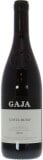
| Classification | Cru Classe |
| Type | Red |
| Producer | Gaja |
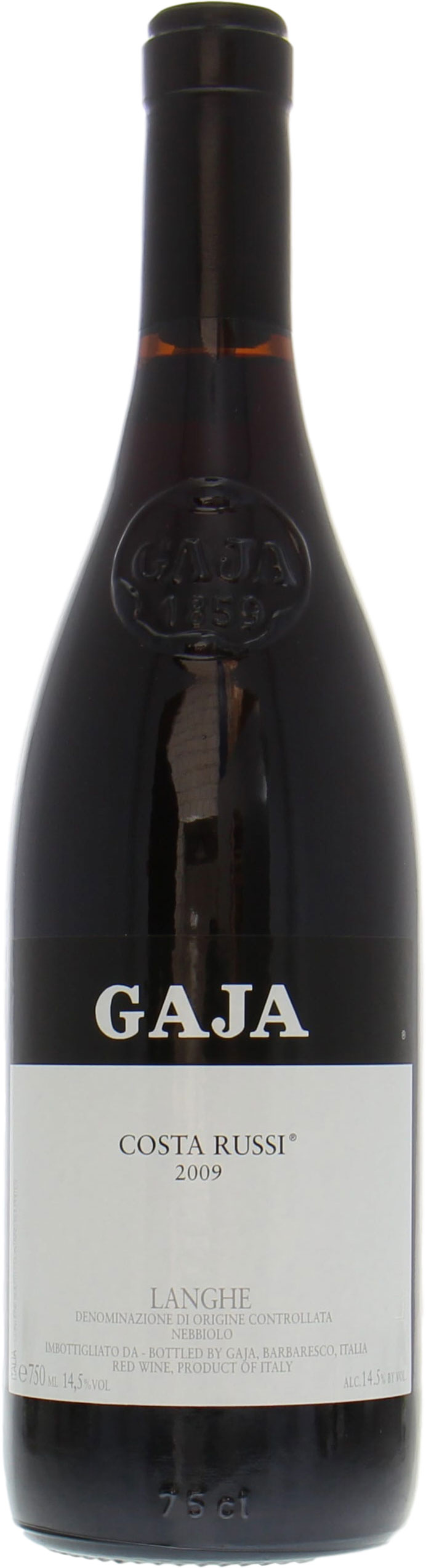
| Wine | Costa Russi |
| Vintage | 2009 |
| Country | Italy |
| Region | Piemonte |
| Grape | Nebbiolo |
| Volume | 0,75 |
| Condition | From Original Wooden Case |
| Label | Perfect |
| Drinkable | -2030 |
| Stock | 3 |
The 2009 growing season in Piedmont was warm, and this characteristic is reflected in the bottles of this “Costa Russi.” Thanks to the heat, the Nebbiolo’s fruity notes gained richness and maturity, while the acidity became more subdued compared to cooler “classic vintages.” For the Gaja estate, this meant that the “Costa Russi” reached its peak drinking window earlier than usual. Unlike vintages with a robust structure, such as 2010, this Barbaresco has a more mature fruit profile and an approachability that allows you to enjoy it right away.
The overt fruit and depth typical of Costa Russi comes through in spades in the 2009. Plums, black cherries, chocolate and new leather form the core of this round, expressive Costa Russi. As beautiful as this is, the 2009 remains deeply marked by the vintage. There is plenty of beauty and richness in the glass, but not quite the sheer visceral thrill of the very best Costa Russis. Although I wouldn?t open any of the 2009 single-vineyard wines in the near-term, the Costa Russi is the most expressive of the three.
Perfumed and pure, this red delivers floral, berry and spice flavors on a harmonious frame. There's a touch of licorice as this tightens up on the finish.?
Wonderful aromas of crushed cherries, peaches, and ripe strawberries follow through to a full body, with chewy tannins and a mineral and floral aftertaste.
Brilliant, rich ruby garnet. A very clear nose, fragrant and inviting, with notes of ripe wild raspberries and plums, delicately drawn. It displays a wealth of rich and juicy fruit at the beginning, then unfolds densely packed with fine-grained tannins and mineral depth, with a long finish and rich punch.
Costa Russi presents a dark wall of ripe fruit and an exotic spice shading that give momentum and power to the finish. There are also notes of plum, dark chocolate, tobacco, licorice and tar. The quality of the tannins is firm and polished; this should evolve over many years to come.

In addition to aromas of macerated red cherries and dried roses, there are hints of tar and leather characteristic of aged Nebbiolo. Against this backdrop, rich truffle notes typical of the Langhe region emerge. On the palate, the tannins soften, taking on a silky texture, while the ripeness characteristic of a warm vintage lends fullness to the mid-palate. The acidity is more restrained than in a typical Barbaresco profile. The finish features notes of sweet spices and a light hint of licorice. The wine is ready to drink now.
“Costa Russi” is made from 100% Nebbiolo, and starting with the 2013 vintage, Gaja has focused entirely on the purity of this single-vineyard wine (in earlier vintages, a small amount of Barbera was added to the blend). The Nebbiolo from this vineyard brings floral freshness, cherry fruit flavors, and a firm tannic structure to the wine. In warm years, such as 2009, the grapes’ natural acidity supports the wine’s overall balance.
The wine will be ready to drink until 2030. The tannins are already well integrated, and given the characteristics of the warm harvest, this wine should not be aged for another 10 years. It should be stored at a temperature of 12–14 °C. Over the next few years, the truffle and leather nuances are expected to become more pronounced, while the fruity notes will gradually give way to other aromas.
It wasn’t Gaja who created Barbaresco, but it was Angelo Gaja who made the wine world take this wine seriously. Having joined the estate in 1961 and taken the helm by 1970, he was the first in Piedmont to begin bottling wine from individual plots, using French barriques (small oak barrels with a capacity of 225 liters), and employing temperature-controlled fermentation. The “Costa Russi” wine was first released in 1978, and its name comes from the name of the vineyard where it is produced. We always keep Gaja’s wines in stock, as he has contributed a lot to shaping the image of modern Barbaresco.
Barbaresco is located northeast of Alba, and its soils have a higher sand content compared to the dense clay-marl soils of Barolo. Thanks to this sandy composition, Barbaresco wines have a light flavor, soft tannins, and reach their peak of maturity more quickly. “Costa Russi” is located on the southern slope. It is warm here during the day, but cool at night due to the influence of the nearby Tanaro River; in the fall, the ripening period lasts until mid-October. For the Nebbiolo variety, all these days are absolutely essential. Without them, the grapes’ tannins will not ripen.
A distinctive feature of “Costa Russi” is its approach, which relies on using grapes from a single vineyard. Gaja was the first in Barbaresco to refrain from blending harvests from his vineyards, instead bottling the wine separately for each plot, and this is precisely why this wine embodies not so much the “winery’s style” as the taste of “the land itself.” After fermentation in stainless steel tanks, the Nebbiolo is aged in barriques for about 12 months, followed by another year in larger Slovenian-made oak barrels (typically holding several thousand liters). The small barrels form the wine’s structure, while the large ones soften the oak aroma. Woody notes are detectable in the wine’s flavor profile, but they never dominate the core of the wine.
The high tannin and acidity levels in Nebbiolo must be balanced by richness and umami. This is precisely the role played by traditional Piedmontese dishes:
Serve at 18–20 °C. The young 2021 vintage should be decanted for at least two hours to allow it to breathe.
With track & trace code