| ex Vat | € 169,00 |
| in Vat | € 204,49 |
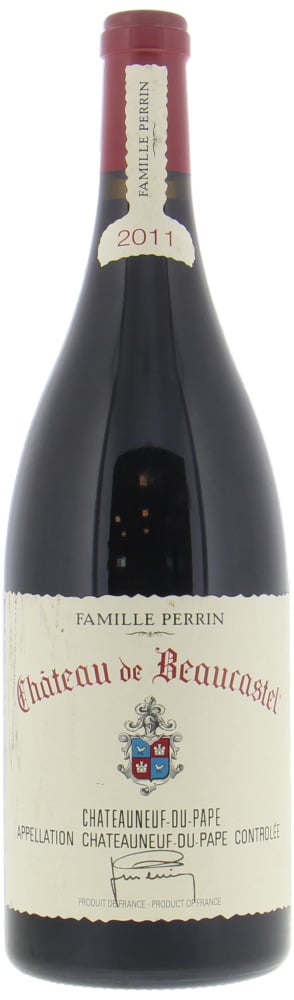
| Volume | Magnum |
| Classification | Cru Classe |
| Type | Red |
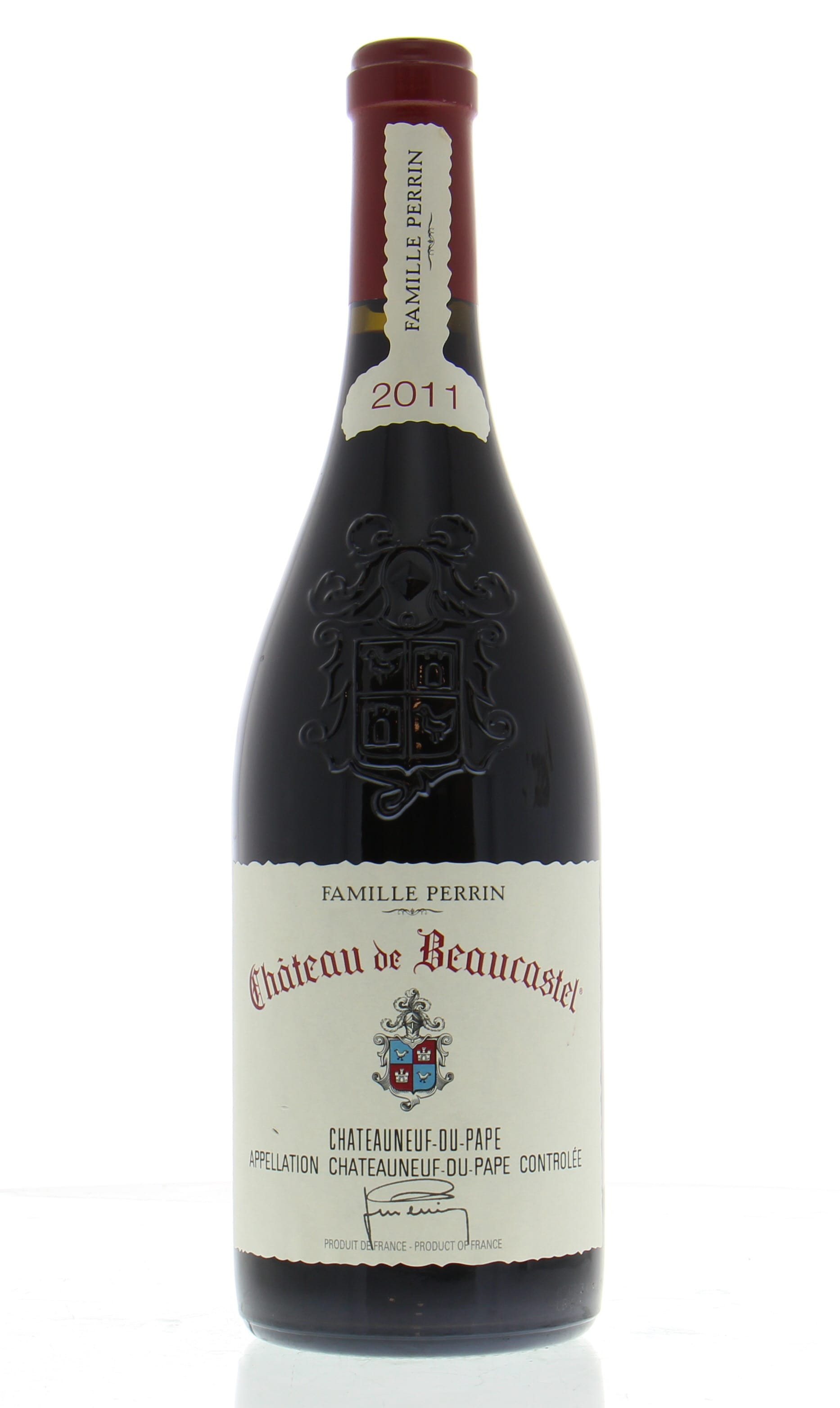
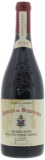
| Producer | Chateau de Beaucastel |
| Vintage | 2011 |
| Country | France |
| Region | Rhone |
| Appellation | Châteauneuf-du-Pape |
| Grape | Rhone Blend |
| Volume | 0,75 |
| Condition | Perfect |
| Label | Perfect |
| Drinkable | -2032 |
| Stock | 0 |
| Volume | 1,5 |
| Condition | Perfect |
| Label | Slightly bin soiled |
| Drinkable | -2032 |
| Stock | 1 |
The 2011 growing season at Châteauneuf-du-Pape began with an unusually warm and dry spring, followed by scorching summer temperatures that tested the mettle of even heat-loving varieties. For Château de Beaucastel, this meant an early harvest in late August. But the Perrin family's biodynamic vineyard, with deep-rooted old vines, coped with the stress better than most. The result? A concentrated, powerful wine that demonstrates the ability to thrive in the harsh conditions of this appellation while retaining the characteristic complexity that makes Beaucastel one of the most respected domains in Châteauneuf-du-Pape.
Reminiscent of a lighter weight 2009, the 2011 Chateauneuf du Pape offers up a sweet bouquet of spiced black cherries, plum, truffle, saddle leather and underbrush. Coming from tiny yields (which were down 50% from 2010), this medium to full-bodied 2011 is gorgeously textured and has solid mid-palate depth, terrific purity of fruit and ripe tannin.
Very sleek and refined despite the obvious heft, featuring steeped red and black currant fruit studded with bergamot, blood orange, sweet tobacco and alder notes. The long, racy finish has a lovely echo of singed mesquite.
An impressive wine by any measure, this shows ample complexity in its mix of black cherry, dark earth and briery notes. The tannins frame the wine's opulent fruit, while remaining wonderfully unobtrusive. This should drink well for at least 15 years from the vintage.
Upon opening the bottle, you immediately sense Beaucastel's characteristic suppleness, the earthy complexity of Mourvèdre intertwined with generous red Grenache fruit. Mineral notes recall roasted herbs, black olive tapenade and stones of heat-retaining galets roulés. On the palate, the wine shows surprising intensity without being heavy. The tannins are firm but refined, suggesting that the wine has retained its freshness despite harsh conditions due to early picking. Notes of leather and dried Mediterranean herbs are felt in the long, savory finish. This wine is drinkable now, but it has the staying power to improve for another decade.
All 13 varieties recognized in Châteauneuf-du-Pape are grown in Beaucastel. Grenache is used extensively in most wine domains, but the main variety here is Mourvèdre, usually about 30% of the blend, with Grenache accounting for 30%. The remaining 40% is Syrah, Cinsault and Cunoise, along with a small amount of other authorized varieties. Why this particular approach? Mourvèdre brings more structure and length. And in a warm year like 2023, its tannin support becomes very important.
The best time to drink it? 2024-2035, with a peak probably around 2027-2030. The concentration from this hot vintage gives this wine serious aging potential. With proper storage (12-14°C and away from light), you can enjoy softening firm tannins and a more pronounced earthy complexity of Mourvèdre. What changes: Hints of leather, tobacco and truffle that emerge as the primary fruitiness recedes.
The Perrin family has owned Beaucastel since 1909, but it was Jacques Perrin who shaped the modern look of the estate. His philosophy was simple and straightforward: organic farming (started in 1950, decades before it became fashionable), blending predominantly Mourvèdre and never compromising the character of the wine for the sake of convenience. When he died in 1978, his sons Jean-Pierre and François adopted this approach. Today, the four Perrin brothers manage 130 hectares of land. Best of Wines considers them one of the most consistent producers in Châteauneuf-du-Pape.
The 70-hectare Beaucastel vineyard in Châteauneuf-du-Pape is located in the northeast of the region, near Courzon. The distinctive feature of this site is the galets roulés (large rounded stones that cover most of the vineyard surface). During the day, these stones absorb the heat of the Provencal sun. At night, the accumulated heat is returned to the vines, prolonging the ripening period of the grapes at lower temperatures. Beneath the stones is a Miocene marine molasse covered by alpine alluvium. It is well drained, which is very important in rainy years.
Beaucastel ferments each of the 13 authorized varieties separately in concrete tanks. Before fermentation, the grape skins are briefly heated to 80°C and quickly cooled. This allows the color and aroma to unfold without the harsh tannins often associated with prolonged maceration. Aging takes place in large oak fouders (rather than small barriques), which provide gentle oxygenation without masking the fruity flavors. The result is more terroir and less oak flavor.
The structure and level of spice in this wine demands persistent flavors. Braised shoulder of lamb with rosemary blends beautifully with the fat, which does a great job of softening the tannins. Paired with mature Roquefort and walnuts, the saltiness of the cheese harmonizes with the fruitiness of the wine. Wild boar ragout also pairs well, especially with its herbal complexity; serve at 18°C and decant 30 minutes if drinking young. Delicate dishes can be overpowered.
With track & trace code