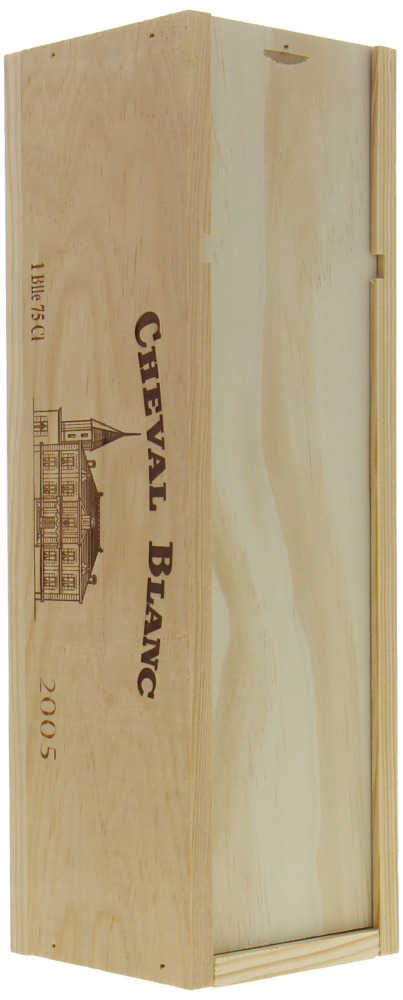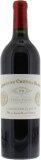

| ex Vat | € 939,00 |
| in Vat | € 1.136,19 |
| Volume | 0,75l |
| Classification | Premier Grand Cru Classe A |
| Type | Red |
| Producer | Chateau Cheval Blanc |
| Vintage | 2005 |
| Country | France |
| Main region | Bordeaux |
| Region | Saint-Emilion |
| Grape | Merlot, Cabernet Franc, Bordeaux Blend |
| Volume | 0,75 |
| Condition | Perfect |
| Label | Perfect |
| Drinkable | 2017-2040 |
| Stock | 0 |
| Volume | 0,75 |
| Condition | In single OWC |
| Label | Perfect |
| Drinkable | 2017-2040 |
| Stock | 0 |
The 2005 growing season in Saint-Emilion was nearly perfect. A warm, dry summer and ample rainfall in September allowed the Merlot and Cabernet Franc grapes of Château Cheval Blanc to ripen to perfection. This vintage represented the estate at its peak: concentrated, balanced, and ripe for aging. Harvesting began on September 26, and each parcel was picked at the optimum time. The result is a wine that shows why Cheval Blanc was withdrawn from the Saint-Emilion classification system in 2021.
The dense ruby/purple-hued 2005 Cheval Blanc’s ethereal bouquet of menthol, coffee, wet stones, black cherries, blackberries, and hints of graphite and spice soars from the glass. An equal part blend of Cabernet Franc and Merlot, it is medium to full-bodied with a gorgeous texture in addition to high tannins that glide over the palate with no angularity or astringency. While it does not quite reach the perfection of the 2000, it should rival the profound 1998 and 1990. This is not a Cheval Blanc for near-term drinking as it demands at least a decade’s worth of cellaring.
This is really gorgeous on the nose, with blackberry, mineral, light vanilla bean and milk chocolate. Full-bodied, with ultrafine tannins and a long, caressing finish. This is racy and very beautiful. The tannins coat the palate, but leave a provoking impression. A Cheval for long-term aging.
Rene Gabriel rates this wine 19/20 points.
release 2021
As soon as you raise your glass, you immediately notice the unique terroir charm of Cheval Blanc. The nose opens with dark cherries and cassis, but there are more notes of graphite minerality and violets that speak to the influence of Cabernet Franc. On the palate, this wine is surprisingly dense but not heavy. The tannins are firm but refined, and the long finish reveals layers of tobacco and cedar. Best of Wines believes this wine is ready to drink now, but will need patience for another decade or more.
What makes Château Cheval Blanc unusual on the Right Bank is the high percentage of Cabernet Franc. The blend usually includes
But why use so much Cabernet Franc when most Saint-Emilion farmers rely on Merlot? The answer lies in Cheval Blanc's unique gravelly sandy soils, which are well-drained enough to ensure that the Cabernet Franc ripens reliably. The high percentage of Cabernet Franc gives the wine a complexity and structure not found in pure Merlot. This is one of the most characteristic approaches to blending in Bordeaux.
Best drunk between now and 2040, it will probably last longer than that period. The backbone of this wine is due to the 18 months of aging in French oak and the natural structure of the Cabernet Franc, which ages beautifully. Store at 55 degrees if possible. Over the next 10 years, expect the wine to retain its characteristic Cheval Blanc elegance, while the fruit will further integrate with the oak and secondary notes such as leather and forest floor will emerge.
Bernard Arnault and Baron Albert Frère have owned this 37-hectare estate since 1998 and have transformed it with a futuristic cellar completed in 2011. But the real story began in 1832, when Jean-Jacques Ducasse harvested the main vineyard. Today, Technical Director Pierre-Olivier Clouet manages the vines, which average more than 45 years old in the unique gravel and sand soils. Best of Wines has seen the estate consistently produce wines with extraordinary aging potential. This is why we believe Cheval Blanc is a must-have for serious Bordeaux collectors.
Cheval Blanc is situated on exceptional terroir for a Saint-Emilion. Rather than the limestone plateau that most right bank estates call home, it is the gravelly sandy soil typical of Pomerol. This well-drained soil structure is the reason why Cabernet Franc thrives here while it struggles elsewhere in the appellation. 8,000 vines per hectare planted at a density that avoids root competition and concentrates flavors. In addition, mature vines, 45 years old or more, dig deep into the soil in search of nutrients and water. The result is a powerful, weightless, refined tannin structure.
Cheval Blanc is aged for 15-18 months in French oak barrels, usually 50-80% new, depending on the strength of the vintage. Both stainless steel and concrete tanks are used to allow the grapes from different sites to develop their individual traits before blending. Gravel and sand soils drain quickly, allowing flavors to naturally concentrate. This means less intervention is required in the cellar. The average age of the vines is 45 years, giving the wine a complexity that younger vines lack.
This structure calls for richness. The combination of duck breast and cherry sauce is perfect: the fat softens the tannins and the fruitiness echoes the dark berry notes of the wine itself. However, game such as guinea fowl and pheasant should not be overlooked. The earthy minerality of the wine enhances the complexity of the meat. Mature Comté or aged Roquefort would go well with cheese. The acidity of the wine cuts through the richness and the depth matches the strength of the cheese; decant within an hour and serve at 16-18°C.
With track & trace code