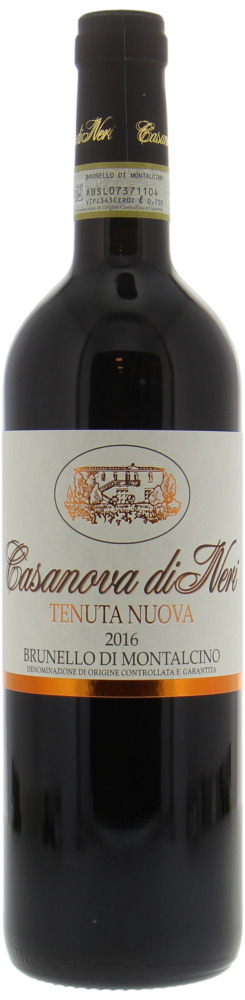
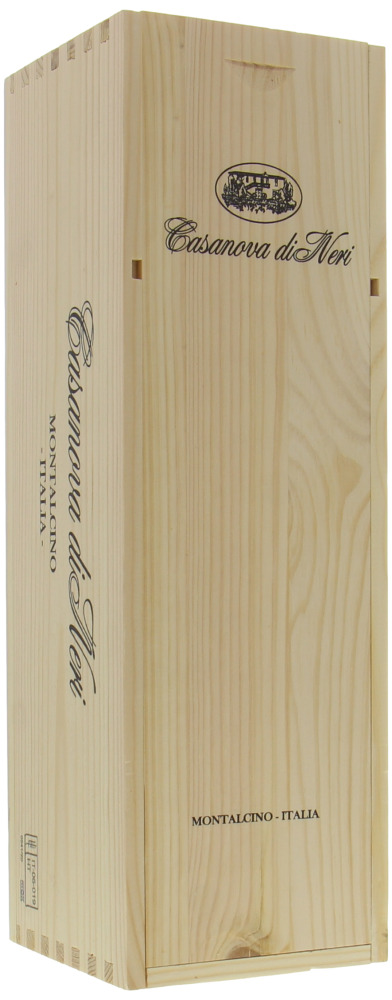
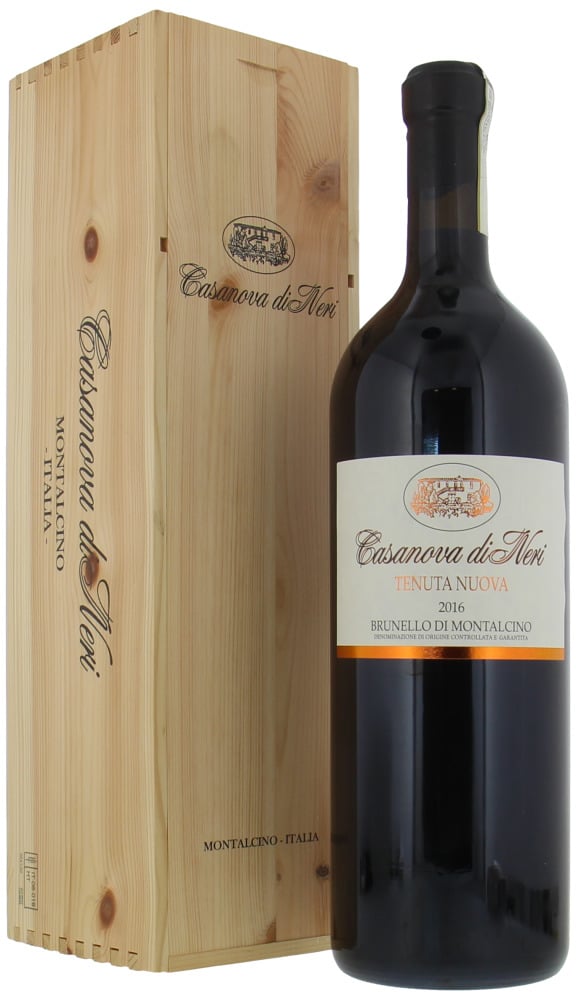
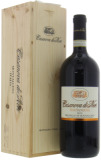
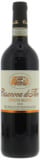
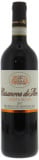
Tenuta Nuova is a wine that reinterprets Brunello di Montalcino in a Southern style, and the 2016 vintage is a dry red wine produced in Tuscany using only the Sangiovese grape variety. The vines here were planted in 1989 and have now reached full maturity, offering a longer finish and deeper flavors than previous vintages.
The harvest was conducted by hand during the second and third weeks of September. The grapes were sorted twice, once by hand and once after destemming using an optical sorter, and then fermented for 24 days in conical stainless steel tanks using indigenous yeasts. After aging in oak barrels for 37 months, the wine underwent one year of bottle aging before release.
The winter of 2016 was warmer than average in Montalcino; it rained in February; budbreak began in the first week of April; and flowering occurred toward the end of May. The summer was mild with sporadic rainfall, and significant day-night temperature fluctuations leading up to harvest slowed the ripening process. The alcohol content is 14.5%, and the total acidity is 6.1. Best enjoyed at 16-17 °C. This wine is best consumed between 2030 and 2048.
Robert Parker (97)
This is one of my sweetheart wines from Montalcino. The Casanova di Neri 2016 Brunello di Montalcino Tenuta Nuova offers a long list of aromas on an ever-shifting and fluid bouquet. You get bright cherry, rose potpourri, black truffle, caramel, butterscotch, sandalwood, road pavement and chalky mineral. In fact, each time I come back to this wine, that mineral element seemed to grow in intensity and scope. The wine offers a grounded fruit side that is contrasted nicely against a grounded oak component. The mouthfeel is creamy and long, and the wine shows terrific tannic integration. When you come back hours later, you might find black olive, bresaola and licorice.
James Suckling (99)
Aromas of blackberries, cherries, violets and bark with mahogany. It’s full-bodied and chewy with intense tannins that are layered and focused. The fruit is pure and purposeful, yet not over done. Wonderful strength and purity to this. Class is the word.
BOW (9-)
Falstaff (100)
Powerful, bright ruby. Impressive nose with rich notes of wild raspberry, ripe, tree-fresh plum, in addition some liquorice, exciting. Salty and juicy on the palate, shows a lot of red berry fruit, then opens with fine-meshed tannin, polished and exceedingly long.