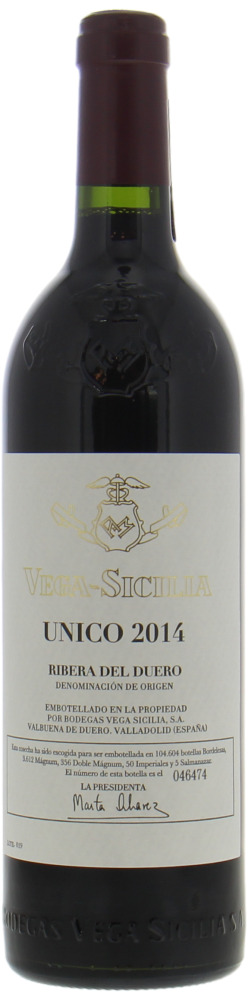
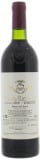
| Classification | Cru Classe |
| Type | Red |
| Producer | Vega Sicilia |
| Vintage | 2014 |
| Country | Spain |
| Region | Ribera del Duero |
| Grape | Tempranillo |
| Alcohol % | 14% |
| Volume | 0,75 |
| Condition | Perfect |
| Label | Perfect |
| Drinkable | 2026-2044 |
| Stock | 6 |
The year 2014 was a harvest that separated the great estates from the good ones for Ribera del Duero. The growing season started cool and remained stable, allowing the old vine Tempranillo from Vega Sicilia to produce concentrated fruit without the stress of extreme heat. Harvest took place later than in previous years, allowing the grapes to reach phenolic ripeness. Unico 2014 is characterized by structured fruit dominated by minerals and a structure that promises decades of development.
The 2014 Único was produced with grapes from 40 hectares of vines selected from the 210 hectares the winery has. The grapes were picked between September 20th and October 3rd, and the blend was 94% Tinto Fino and 6% Cabernet Sauvignon. It fermented in oak vats with indigenous yeasts, with malolactic in stainless steel. The first part of the aging was in 225-liter barrels and the second one in 20,000-liter oak vats, and the élevage lasts 10 years between oak and bottle. It's a year that combines power and elegance; it's concentrated but has subtleness. I had a unique opportunity to taste it from magnum one year ago and was truly impressed. This tasting was consistent with those sensations. 2014 was a good vintage in the zone, a year with good rain and a big crop, not as powerful as 2012 or 2015 but a year with finesse. The wine feels very balanced, lower in alcohol and with integrated oak, crunchy, fresh and still young. It feels quite classical; it's fine-boned, elegant but also powerful, more like the Únicos from yesteryear. It has to be one of the finest vintages of recent times. It has 14% alcohol, a pH of 3.85 and five grams of acidity measured in tartaric acid per liter of wine. One of the largest vintages of Único, 104,606 bottles, 3,612 magnums, 356 double magnums, 50 imperials and five Salmanazars were produced. It was bottled in June 2020. It seems like years ending in four—94, 2004, 2014 (but not 84, that was not produced)—are very good here. We'll have to wait and see about the 2024...
A refined, ethereal and elegant Unico. Streamlined layers of mixed peppercorns, smoked paprika, blackberries and spiced dark fruit. Hints of orange zest and flowers. Spicy, with tightly wound tannins. The length is impressive. 94% tempranillo and 6% cabernet sauvignon. Tasted from magnum. Coming along nicely. Try on release in 2026 or after.
Transparent crimson. Powerful, savoury nose that’s extremely intense. Grainy tannins insist on the end after smooth palate entry and lots of textured tamarind flavour. A little heat just before the refreshing finish that expresses the high elevation of this region. Long and fresh. Beefy and savoury but not the most intense.
The 2014 Unico is primarily composed of Tempranillo with an additional 6% dash of Cabernet Sauvignon, both sourced from the eponymous property in Ribera del Duero. Aged at length in barrels and large oak vats, the combination of aging methods brings out the wine's nuances in what was a generous year. A dark garnet-red in the glass. The aromas offer licorice and cedar notes alongside hints of orange peel, petit four, cola and pine. There's a background of ripe dark fruit. The palate is dry and plush with a chalky texture and supple tannins, contributing to the complex character. A nuanced red just at the beginning of its life.

The nose starts with layers of dark fruit such as blackberry and plum, but there are mineral notes that speak of the calcium soils of Ribera del Duero. Cedar and leather appear, characteristic of long aging in oak, but not overpowering. On the palate, the 2014 is more restrained than recent vintages. The tannins are refined rather than aggressive, with brightness indicating that the wine has retained good acidity despite a difficult growing season. Notes of tobacco and dark chocolate are felt on the finish, and the grip suggests that this wine will evolve for years to come.
The blend is presented as follows:
Why Vega Sicilia adds Cabernet to a pure Tempranillo wine - 6% Cabernet gives the wine structure and length, which is important if the wine is to be aged for 10 years before release. Tempranillo provides the regional character and fruit intensity that characterizes Ribera del Duero. But it is the small proportion of Cabernet grown on the estate since 1864 that provides the backbone needed for such long aging.
Unico 2014 is drinkable right now. Ten years of aging before release has softened the rough edges. However, the wine has structure that will develop for another 20-25 years. The acidity provides a foundation for long aging and the tannins, while refined, are still present enough to develop in storage in a cool, dark place at around 55°F. The best expression of this vintage is expected between now and 2045.
Vega Sicilia has been making wine since 1864, more than a century before Ribera del Duero became an official region. But it's not age that sets them apart, it's persistence. While most Spanish wineries release their red wines in two to five years, Vega Sicilia waits at least 10 years for their Unico to see the light of day. That's six years in barrel and four years in bottle, and the Alvarez family, who bought the estate in 1982, have maintained this commitment to aging. We believe it is this patience that sets Unico apart from other Spanish red wines, and something that money can't buy.
Ribera del Duero is located on a plateau in northern Spain at 750-850 meters above sea level, and locals describe the climate as "nine months of winter and three months of hell." For Unico, these temperature variations make a huge difference. Temperatures reach 40°C on summer days and drop to 15°C at night. This diurnal range helps maintain acidity and concentrate flavors. The soils consist of limestone and clay with sand deposits on limestone bedrock. This combination drains the soil well enough to prevent root waterlogging, but retains enough moisture for the region's intense summers. The Vega Sicilia vineyard site is located on the border between hills and alluvial plains, with well-drained, deep soils.
Native yeasts begin fermentation in wooden vats. But what happens next is what characterizes Unico: one of the longest aging programs in the world. Barrel aging lasts six years, gradually moving between 225-liter barriques (French and American, new and used) and ending up in huge 22,000-liter wooden vats. Each vintage is treated differently, depending on the character of the fruit; in 2015, the winemaker followed this traditional method, adjusting the proportion of oak throughout the aging process. The last four years of aging in bottle before release allows for perfect barrel integration.
Protein is needed to soften the skeletal tannins. Start with roasted lechazo (milk-fed lamb) flavored with rosemary, a regional delicacy made for this wine. The lamb fat balances the wine's power, while the herbs enhance the earthiness. Aged Manchego also pairs well with this wine:
Decant for at least 90 minutes and serve at 18°C. The wine opens up considerably on contact with air.
With track & trace code