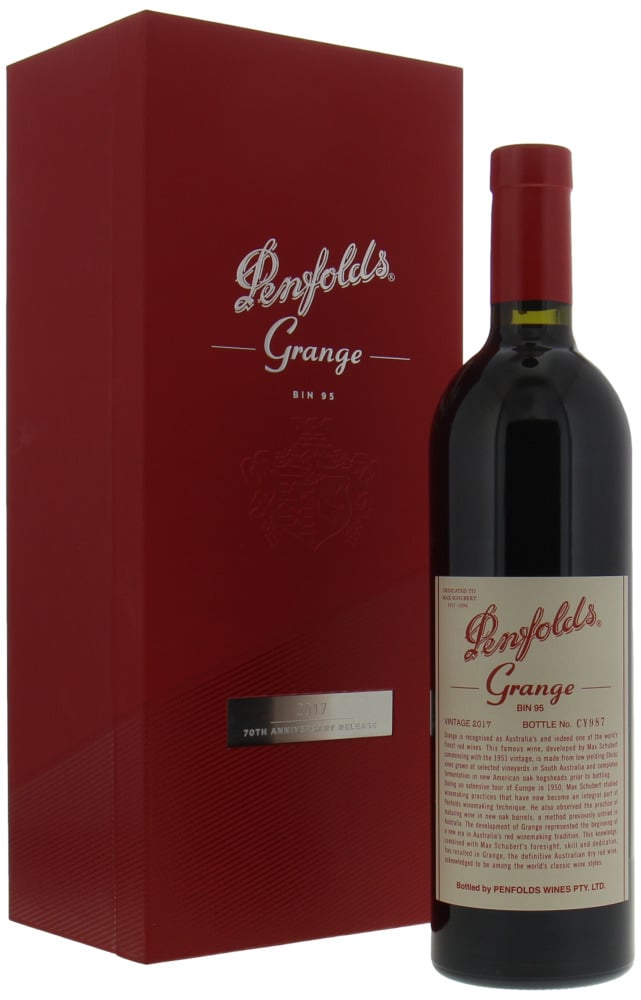
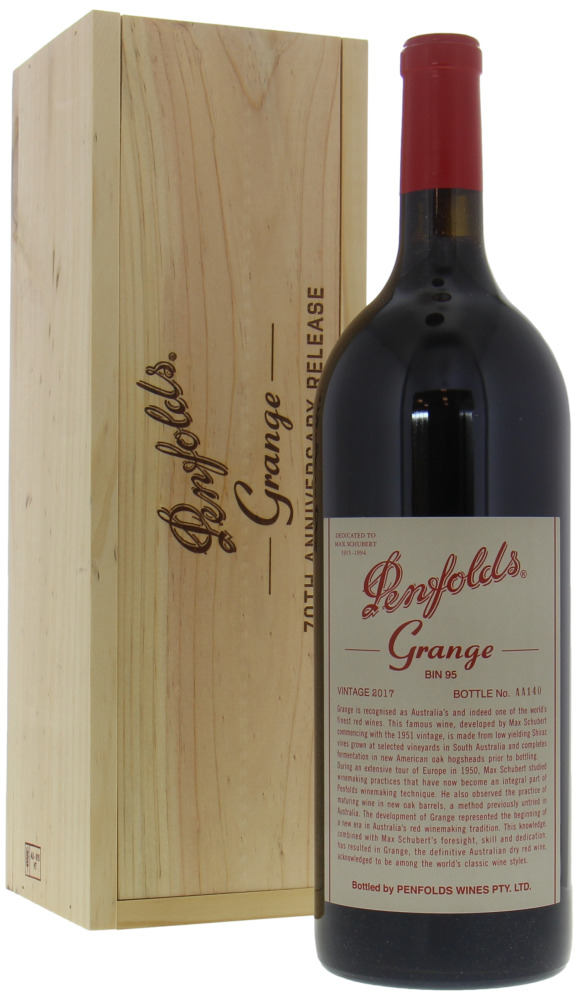
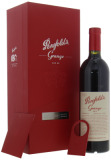
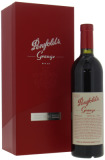
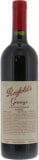
| ex Vat | € 1.099,00 |
| in Vat | € 1.329,79 |
| Volume | Magnum |
| Classification | Cru Classe |
| Type | Red |
| Producer | Penfolds |
| Vintage | 2017 |
| Country | Australia |
| Region | South Australia |
| Grape | Syrah/Shiraz |
| Volume | 0,75 |
| Condition | Perfect |
| Label | Perfect |
| Drinkable | -2050 |
| Stock | 6 |
| Volume | 1,5 |
| Condition | Perfect |
| Label | Perfect |
| Drinkable | 2024-2050 |
| Stock | 1 |
The 2017 growing season in South Australia was cooler and wetter than the hotter, drier 2016, resulting in a later harvest and slower, more gradual ripening. The Penfolds Grange wine had brighter acidity and more restrained fruit than recent vintages. Head winemaker Peter Gago has assembled the 2017 wines from Barossa Valley, McLaren Vale, Clare Valley, Magill Estate and Coonawarra. These will be released in May 2022 as part of the Penfolds Collection.
Strongly marked—as always—by its 100% American oak elevage, the 2017 Grange backs up the cedar and vanilla notes with ample blackberry and cassis fruit. Full-bodied, ripe and almost decadently creamy in the mouth, it's loaded with substance, concentrated and rich, yet—in the context of Grange—relatively light and elegant-seeming on the finish. Only the seventh-ever Grange to be exclusively Shiraz, it originates from Barossa Valley (86%) and McLaren Vale (14%); Shiraz from other growing regions in South Australia failed to make the grade this year.
This starts with a deeply spicy and brooding nose that packs plenty of (100% new) American oak, some smoked vanilla and ripe dark plums and berries. The palate has a youthful, astringent feel with sinewy oak tannin and deep plum and dark-berry flavors, carrying a big frame of fruit extract. Big, round berries strive towards boldness. A blend of Barossa Valley and McLaren Vale. 100% shiraz.
100% Shiraz.
Blackish purple. So clean and fresh on the nose! Smooth and sophisticated. Polished tannins and a deep undertow of slightly inky fruit. Pretty impressive! Balsam notes on the dry (at the moment) end. (JR)
Opaque, bright-rimmed ruby. Highly pungent, smoke- and mineral-accented aromas of cherry pit, violet candy, cured tobacco, savory herbs, coconut and exotic spices on the kaleidoscopic nose. Shows superb clarity and spicy lift to its spice-laced bitter cherry, cassis, blueberry and floral pastille flavors, which take on black cardamom, menthol and cola nuances as the wine slowly stretches out. Shows superb delineation and spicy thrust on the youthfully tannic finish, which features resonating cherry, blue fruit and floral notes.
The first thing you feel is lift. Blueberry, plum, dark chocolate and a unique Grange character of coconut, vanilla and dill notes from new American oak. The cooler 2017 season is reflected in the flavor, the fruit feels concentrated but not jammy, and the acidity is in full force. The acidity keeps things moving. The tannins are dense and fine grained, suitable for long aging. Is this wine drinkable now with extended decanting? Yes, it has potential. But this is a wine that needs time.
The 2017 blend includes.
Dark fruit, spice and body. So why add a small amount of Cabernet? The 3% Cabernet gives structure and zest in the mid-palate. It's a Grange tradition and we do this often, though not every year. And in a cool vintage like 2017, the extra structure is very important.
The 2017 Grange will be drinkable till 2050. Dense tannins, fresh acidity from the cool season, 19 months in new American oak barrels stored horizontally at a stable temperature of 12-14°C. With time, the oak flavors mingle and tertiary notes of leather and earth emerge.
Penfolds is the best-known name in Australian winemaking, and for good reason: the grange. Dr. Christopher Rawson Penfold founded the McGill Estate near Adelaide in 1844, but the wines that made the maison world-class did not exist for another century. 1951, winemaker Max Schubert, a European He returned from Europe and, inspired by the Northern Rhone, made his first experimental Grange varietal. We believe it is still the benchmark for Australian Shiraz, and since 2002 Peter Gago has been the winemaker.
Most iconic wines are made from a single vineyard. Grange is the opposite. It is a blend of multiple regions, including Shiraz from Barossa Valley, McLaren Vale, Clare Valley, Padthaway, Coonawarra, and McGill Estate vineyards, with the final blend determined each year by which parcels of grapes are received. Why mix different regions? Barossa brings intensity and dark fruit from ancient ironstone and red-brown earth, McLaren Vale adds Mediterranean exuberance and structure from sandy loam on limestone, and Coonawarra brings a savory finish from terra rossa. Schubert's idea is consistency, not place.
The wine is aged in 100% new American oak barrels for about 19 months. American oak gives the vanilla, coconut, and dill notes that are part of the Grange's DNA. French oak would be more subdued. Boldness is needed. Equally important is to complete fermentation in barrel, the method pioneered by Max Schubert. This allows the oak and fruit to integrate early on, so that the oak is felt as part of the wine, rather than superimposed on top of it.
Grunge needs authentic protein and flavor. Some ideas:
Served at 17-18°C. Decant for at least 2 hours, longer if served young. The fat content is necessary to soften the tannins.
With track & trace code