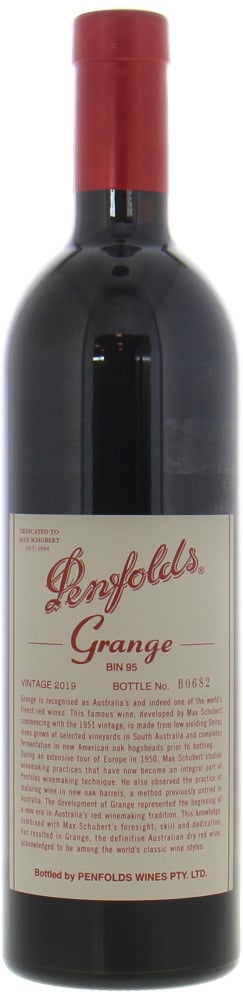
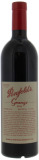
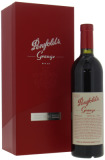
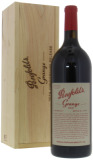
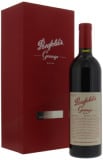
| Classification | Cru Classe |
| Type | Red |
| Producer | Penfolds |
| Vintage | 2019 |
| Country | Australia |
| Region | South Australia |
| Grape | Syrah/Shiraz |
| Alcohol % | 14.5% |
| Volume | 0,75 |
| Condition | Perfect |
| Label | Perfect |
| Drinkable | 2028-2060 |
| Stock | 11 |
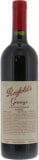
The 2019 growing season in South Australia was warm, dry and arid. For Penfolds Grange, this meant lower yields and more concentrated grapes. Head winemaker Peter Gago and his team sourced grapes from the Barossa Valley, McLaren Vale, Clare Valley and the original Magill Estate in Adelaide. The result? Concentrated, structured and long-lived.
The 2019 Grange is 97% Shiraz and 3% Cabernet Sauvignon. It's the pinnacle of the Penfolds release (although if you ask me, the Chardonnays are my favorite part) and a wine that takes some understanding prior to scoring. The key to Grange is the old wines; it is a style of wine heavily fortified with oak (100% new, AP Johns American oak), tannin, fruit (multi-regional) and everything else. In the mouth it can be an almost impossible constellation of flavor and texture to wrap the mind around. But in time, yes, in time, this wine shows its capacity for grace and majesty. Ten years is too young to open a bottle. 20 years is about right. 30 and beyond, not a problem. It is a cellaring proposition of the highest order, but in youth it can feel impenetrable. So, this wine in front of me now has toasted coconut, dusted licorice, roasted meat, violets, burnt toffee, pastrami, coffee grounds, crushed ants/formic, roasted pecans ... all of these dark and broody (and chunky) things. 2019 was a hot year and one marred by low yields due to some inclement weather during flowering. This has meant that, as a whole, the wines have felt big, dark and compressed. This is no exception. It's a product of the year and the state from whence it has come and in the mold and style of Grange, typical. It will be even better. For now, ne touche pas. 14.5% alcohol sealed under natural cork.
This is an epic wine that doesn’t quit, opening up with ripe, fleshy flavors of black cherry, maraschino cherry and framboise. But the fruit notes are only the beginning, giving way to date-nut bread, salted bittersweet chocolate, marzipan, dried olive, green peppercorn, French-press coffee and cardamom. The tannins are filling in the mouth, but never get in the way of all the complexity, while the finish just goes on and on.
Dark, dank and immaculate. The oak handling and tannic precision boast ample class. Beneath lurks a latent, molten beauty that will unravel eventually. I like this Grange. I feel that the decadent style, molten and fleshy, is well suited to the drought vintage and its thick grape skin tannic scour. Mercifully, the tannins are pliant and despite it all, plenty juicy. Firework aromas of raspberry liqueur, camphor and gunpowder, with a smear of black olive, licorella and hung meat wafting across the long finish.
Cassis-liqueur nose. Really fresh palate entry and, actually, a little richer and more seductive than the 2018. My teeth feel as though they have been doused in magic liquid. Really full of (very slightly salty) life. (JR)

First impression: depth. Blackberry and dark plums appear immediately, enveloped by mocha, soy and the unmistakable character of American oak - coconut and vanilla (Grange is aged in 100% new American oak, a Schubert hallmark since 1951). The palate is rich, with chocolate, leather and savory eucalyptus notes. The tannins are firm and dusty. The finish lingers with dark fruit and toasted spices. To drink? Not yet. This Grange needs time.
The following blends will be featured in 2019.
Why add Cabernet? To strengthen the structure. Warm South Australian Shiraz provides lushness - ripe blackberry, chocolate and creamy texture - while a small amount of Cabernet gives support and structure. Grange is by no means a single vineyard wine and is rarely 100% Shiraz.
The 2019 Grange should open up between 2030 and 2055. Tannins are still firm, oak needs to integrate, and concentrated fruit from dry years requires patience. Store horizontally at 12-14°C, away from light, for decades to come.
The history of Penfolds began in 1844, when the English doctor Christopher Rowson Penfold settled in Magill, near Adelaide, bringing with him English and French vine cuttings, and built a stone cottage called ‘The Grange’ — a name that Max Schubert would adopt a century later. Believing that wine possessed medicinal properties, he mainly produced fortified wines, although clarets and Rieslings soon followed. His wife Mary was involved in winemaking and managed the estate, taking full charge following his death in 1870; by 1881, Penfolds accounted for a third of all wine produced in South Australia. The shift towards table wine production took place under Gladys Penfold Highland, who became chair of the board of directors in 1948 and, in 1950, sent Schubert to Europe, supporting both his research and his ambition to create a superb red wine. Schubert joined the company in 1931 as a messenger, became the first head winemaker in 1948 and, from 1951, created experimental ‘Grange’ vintages until management ordered him to stop – he continued in secret. Production of the ‘Bin’ series began separately in 1959 with ‘Kalimna Bin 28’, named after the storage bunkers at Magilla. The focus is on Shiraz, blended from grapes grown in the Barossa, McLaren Vale and Coonawarra valleys, although ‘Bin 707 Cabernet’ and ‘Yattarna Chardonnay’ are also wines of note. Peter Gago has been in charge of the winery since 2002.
Most iconic wines are made from a single vineyard. Grange is the opposite. It is a blend of multiple regions, including Shiraz from Barossa Valley, McLaren Vale, Clare Valley, Padthaway, Coonawarra, and McGill Estate vineyards, with the final blend determined each year by which parcels of grapes are received. Why mix different regions? Barossa brings intensity and dark fruit from ancient ironstone and red-brown earth, McLaren Vale adds Mediterranean exuberance and structure from sandy loam on limestone, and Coonawarra brings a savory finish from terra rossa. Schubert's idea is consistency, not place.
The wine is aged in 100% new American oak barrels for about 19 months. American oak gives the vanilla, coconut, and dill notes that are part of the Grange's DNA. French oak would be more subdued. Boldness is needed. Equally important is to complete fermentation in barrel, the method pioneered by Max Schubert. This allows the oak and fruit to integrate early on, so that the oak is felt as part of the wine, rather than superimposed on top of it.
Grunge needs authentic protein and flavor. Some ideas:
Served at 17-18°C. Decant for at least 2 hours, longer if served young. The fat content is necessary to soften the tannins.
With track & trace code