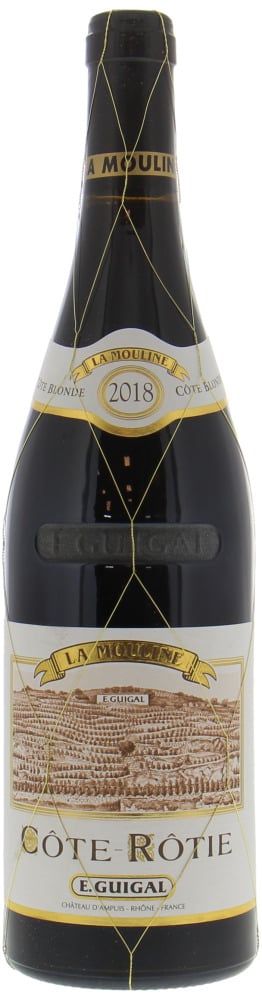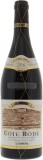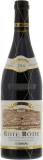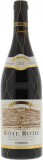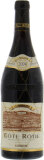

| Classification | Cru Classe |
| Type | Red |
| Producer | E.Guigal |
| Wine | Cote Roti La Mouline |
| Vintage | 2018 |
| Country | France |
| Region | Rhone |
| Appellation | Côte-Rôtie |
| Grape | Syrah/Shiraz |
| Alcohol % | 14.5% |
| Volume | 0,75 |
| Condition | Perfect |
| Label | Perfect |
| Drinkable | 2025-2045 |
| Stock | 9 |
The 2018 growing season in the Northern Rhône started the spring with rain and severe mildew, and ended hot and dry. For Guigal's La Mouline vineyard, located on the Côte Blonde above Ampuis, this meant Syrah and Viognier ripened on vines that average about 75 years old. As a result, the 2018 La Mouline wine is dominated by power and concentration, but retains the flavorful exuberance that this cuvée is known for.
The first thing that catches the eye is the nose. Violets, apricot peel and crushed raspberries are revealed by the high proportion of Syrah and Viognier co-fermented. The palate shows notes of black cherry, smoked bacon and black pepper. The tannins are present but covered by fruit. The finish displays the flamboyance characteristic of Côte Blonde. Concentrated but not heavy, the 2018 wine is one of the highlights among La Mouline's recent vintages.
The blend is approx.
This proportion of Viognier is the highest of the three La Las (La Mouline, La Landonne and La Turque). So why blend white grapes and Syrah? To stabilize the color, soften the tannins and add floral and stone fruit aromas and flavors. Granite and Les Côtes Blondes make La Mouline the most flavorful wine of this trio.
Drink between 2028 and 2050; the 2018 wine is distinctive for its concentration, acidity and tannins; aged in new French oak barrels for almost 40 months; store at 12-14°C. If you open it now, you can taste the fruit and oak flavors. If you wait, spicy notes will emerge.
Etienne Guigal started picking apricots in Ampuis as a boy and managed the cellars of Vidal Fleury before founding his own house in 1946. Three generations later, Philippe Guigal is now in charge of winemaking. So why is Guigal as important as the family history? They built the modern prestige of Côte Rotie, and when Robert Parker discovered the wines of Lara in the 1980s, the appellation's worldwide fame followed. We sell Guigal wines because few estates combine such scale with such precision in their treatment of individual vineyards.
La Mouline is located in the southern half of the Côte Rôtie, on the Côte Blonde, where the soil is decomposed fine shale mixed with sand and limestone. Why it matters. Compared to the iron-rich soils of the Côte Brun, the Blonde are lighter and sandier, producing more floral and aromatic wines. In addition, the steep, south-facing terraces (in some places the gradient is as high as 60 degrees), the warm air of the Rhone below, and the cool local breezes of Béziers combine to produce fully ripe wines without the roasted notes found in the hot southern sites.
The decisive factor here is elevage. La Mouline is aged for about 42 months in 100% new French oak barrels (225 liter Bordeaux-type barrels) from Guigal's own cooperage in Ampuis. This is a huge amount of new oak and time, but the wine has enough concentration to absorb it. Prior to that, the Syrah and Viognier are co-fermented in closed stainless steel tanks for three weeks while being pumped over. Late harvest, ripe phenols, and years of patient aging.
Flavor and silky tannins call for gibier or slow-cooked meat, not charred steak. There are several varieties that go well with it:
Decant for 60-90 minutes; serve at 16-17°C.
With track & trace code