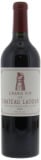
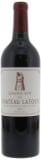
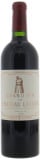
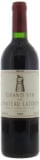
In 2010, Pauillac experienced a drought, and Château Latour produced a blend of 90.5% Cabernet Sauvignon, 9.5% Merlot and 0.5% Petit Verdot. The growing season was characterized by drought and severe water stress, and most of the region's finest red wine grapes were harvested in October.
The clay subsoil beneath the gravel layer of Enclos plays a crucial role in such years, as it retains moisture when the surface dries out. The center of the vineyard sits on clay-gravel, while the edges transition into sand mixed with gravel. Only 36% of total estate production was used for this wine.
Classified in 1855, this First Growth is owned by the Pinault family and managed by Frédéric Engerer. It is best enjoyed between 2020 and 2050. Decant the wine for at least an hour when drinking before 2030.
Robert Parker (100)
One of the perfect wines of the vintage, Frederic Engerer challenged me when I tasted the 2010 Latour at the estate, asking, “If you rate the 2009 one hundred, then how can this not be higher?” Well, the scoring system stops at 100, (and has for 34 years,) and will continue for as long as I continue to write about wine. Nevertheless, this blend of 90.5% Cabernet Sauvignon, 9.5% Merlot, and .5% Petit Verdot hit 14.4% natural alcohol and represents a tiny 36% of their entire production. The pH is about 3.6, which is normal compared to the 3.8 pH of the 2009, that wine being slightly lower in alcohol, hence the combination that makes it more flamboyant and accessible. The 2010 is a liquid skyscraper in the mouth, building layers upon layers of extravagant, if not over-the-top richness with its hints of subtle charcoal, truffle, blackberry, cassis, espresso and notes of toast and graphite. Full-bodied, with wonderfully sweet tannin, it is a mind-boggling, prodigious achievement that should hit its prime in about 15 years, and last for 50 to 100.
There is no denying the outrage and recriminations over the decision by the Pinault family and their administrator, Frederic Engerer, to pull Latour off the futures market next year. However, you can still buy these 2010s, although the first two wines are not likely to be released until they have more maturity, which makes sense from my perspective. Perhaps Latour may have offended a few loyal customers who were buying wines as futures, but they are trying to curtail all the interim speculation that occurs with great vintages of their wines (although only God knows what a great vintage of future Latour will bring at seven or eight years after the harvest). As a set of wines, the 2010s may be the Pinaults’ and Engerer’s greatest achievements to date. Of course, I suspect the other first-growth families won’t want to hear that, nor will most of the negociants in Bordeaux, but it’s just the way things are. Frederic Engerer, by no means the most modest of administrators at the first growths, thinks it would be virtually impossible to produce a wine better than this, and he may well be correct. If they gave out Academy Awards for great performances in wine, the Pinaults and Engerer would certainly fetch a few in 2010. P.S. Just so you don’t worry, Engerer offered up the 2009 next to the 2010 to see if I thought it was still a 100-point wine, and yes, ladies and gentlemen, it still is.
Winespectator (99)
Unbelievably pure, with distilled cassis and plum fruit that cuts a very precise path, while embers of anise, violet and black cherry confiture form a gorgeous backdrop. A bedrock of graphite structure should help this outlive other 2010s. Powerful, sleek and incredibly long. Not perfect, but very close. Best from 2020 through 2050.
Jancis Robinson (18.5)
90.5% Cabernet Sauvignon, 8.5% Merlot, 0.5% Cabernet Franc and 0.5% Petit Verdot.
Cherry, cassis, spice and the graphite and cedar aromas of classic claret of the good old days. On the palate, there's plentiful tannic grain that is matched by dense core fruit, although the dominant flavour is more mineral and elemental. Lives up to expectations of grandeur.
Rene Gabriel (20)
Rene Gabriel rates this wine 20/20 points.
Wine Enthusiast (99)
Stern, almost severe initially, this great wine takes time to show its immense fruit power. Black currant and blackberry notes are packed into the wine, along with an impressive array of spices from new wood that gives a more exotic element. At the end, though, it has a fine, structured sense of proportion.
Jane Anson (98)
This is still revving up to reach its drinking window, and although for now it is showing just a touch below the 2009 vintage, don’t be surprised if it overtakes it within the next decade. It demands patience though. Classic brooding, muscular, concentrated old school Latour, uncompromising in its sculpted tannins and bristling blueberry and cassis fruits. 36% of overall production.