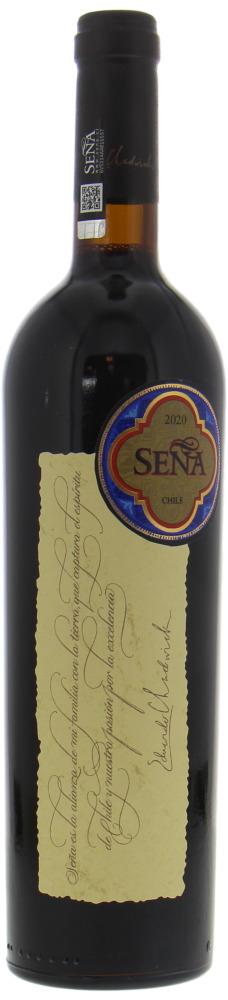
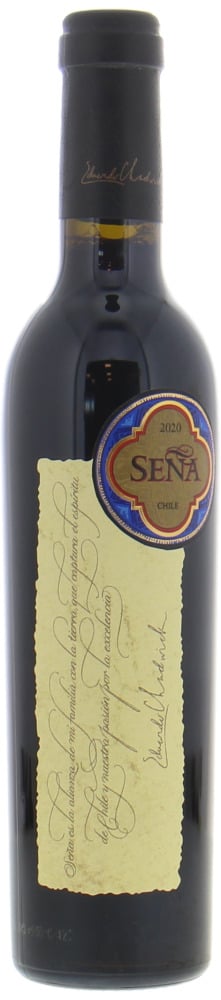
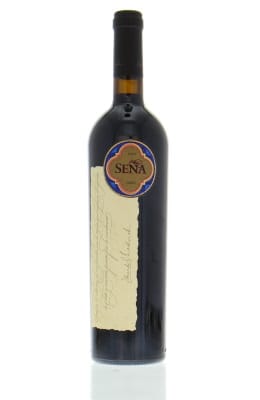
Seña 2020 ist ein roter Verschnitt im Bordeaux-Stil, der in der chilenischen Region Aconcagua Valley hergestellt wird; er wurde von der Weinkellerei Viña Seña auf den Hügeln oberhalb von Ocoa gekeltert. Das Weinbaujahr 2020 in Chile war von extremer Hitze und Dürre geprägt; als Reaktion darauf führte das Weinbereitungsteam in der zweiten Märzwoche eine frühe Lese durch, eine Woche früher als im Jahr 2019. Zudem wurde der Malbec-Anteil erhöht, um die Säure und die Lebendigkeit des Aromas zu bewahren. Diese Strategie erwies sich als erfolgreich und führte zu einem Alkoholgehalt von 13,5 %, einem moderaten Wert, der für die Verhältnisse des Tals in einem warmen Jahr eher niedrig ist.
Die Gärung erfolgte hauptsächlich in Edelstahltanks, wobei 10 % in Betoneiern vergoren wurden. Anschließend reifte der Wein 22 Monate lang in Fässern, wobei 90 % in französischen Eichenfässern (von denen 78 % neu waren) und 10 % in großen 2.500-Liter-Foudres gelagert wurden. Ein Foudre ist ein großes Fass, das die Textur des Weins bereichert, ohne ihm starke Eichenaromen zu verleihen. Der Wein wurde im Februar 2022 abgefüllt; die Produktion belief sich auf etwa 100.000 Flaschen.
Francisco Baettig, der den Stil von Seña in den letzten zwei Jahrzehnten geprägt hat, fungierte hier als Weinmacher. Die Trauben wurden nach biodynamischen Anbaumethoden angebaut, wie es auf diesem Weingut seit 2005 üblich ist.
Robert Parker (97)
The 2020 Seña is a blend of 53% Cabernet Sauvignon, 25% Malbec, 15% Carmenere and 7% Petit Verdot (a little higher in search of acidity) from grapes harvested early, the second week of March, and fermented mostly in stainless steel and 10% in concrete eggs. It has a moderate 13.5% alcohol and good freshness. It's subtle and layered, not only fruit but with more spice; it has polished tannins and very integrated oak after 22 months in barrique, 78% new, and with 10% of the volume in large Stockinger barrels. The warmer years seem to be nicely managed, so that it's not reflected in the ripeness but is more a matter of texture and quality of the tannins; in the warmer years, like 2017 or this 2019, the wines have a little more grip, but these are definitely finer than those from the 2017 vintage. This wine has intensity and complexity, with no mintiness or herbal notes; it's spicy and juicy, with energy and depth. It has structure, color, stuffing and acidity to develop nicely in bottle. 100,000 bottles produced. It was bottled in February 2022.
James Suckling (98)
Complex, with savory, spicy character, showing tobacco, salted plums, olives, black cherries, cassis and a hint of white pepper on the nose, followed by a refined, savory, balsamic accent. A full-bodied Seña with juicy fruit chiseling into the tight, extremely fine-grained tannins. Long, bright and still elegant from this warm vintage. 53% cabernet sauvignon, 25% malbec, 15% carmenere and 7% petit verdot. and stone. Chewy and fine-grained. A wine with soul and length. From biodynamically grown grapes.
Jancis Robinson (16.5)
53% Cabernet Sauvignon, 25% Malbec, 15% Carmenère, 7% Petit Verdot.
Pure plum and cherry fruit on the nose. Seña now has real polish and refinement having mastered the ripeness of fruit to avoid herbaceous and green notes in the wine. Ripe and fine tannins melt into medium-bodied red and black fruit, which has a real zing and freshness. Sweet spices bolster the fruit and bring a more seductive profile to the wine, though it remains modest and compact throughout, with a long, clean finish.
BOW (9-)
Falstaff (97)
Brilliant dark ruby with purple reflections, subtly lighter at the rim. Fine noble oak notes, black fruits of the forest, subtle cassis, delicate savoury aromas, some nougat and tobacco. The wine is inviting, with a multi-faceted young bouquet and ripe plum in the background. Juicy and elegant, ripe sweet cherry, round, supporting tannins, good freshness, mineral and lively with nuances of red fruits on the finish. The wine has a very good length, is already harmonious, and has good ageing potential.