

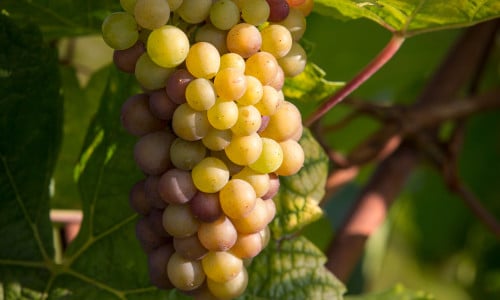
Wines from Oregon
Oregon’s wine region has steadily grown into one of America’s most respected and distinctive, famous for its beautiful Pinot Noir but also offering a wide spectrum of wines. Compared with world-renowned areas like Napa Valley in California and Burgundy in France, Oregon holds its own with cooler climate, unique soils, and a strong emphasis on terroir and sustainability.
This article walks through Oregon’s wine history, geography, vineyard soils, appellations, production styles, winemaking trends, research efforts, and the state’s future prospects.
History
Oregon's wine history started in the 1840s. Settlers rolling in on the Oregon Trail, like Henderson Luelling, took grape cuttings from back east and planted the state's first vineyard in 1847 right in the Willamette Valley. Peter Britt started Valley View Winery in the 1850s in the Rogue Valley, making it the Northwest's first commercial winery. But Prohibition in the 1920s forced most operations to fold.
Things got better in the 1960s. Richard Sommer, a newcomer from UC Davis, ignored all the negative advices and planted Riesling, Pinot Noir, and Chardonnay at Hillcrest Vineyard in the Umpqua Valley in 1961. That same decade, David Lett, also known as "Papa Pinot", planted the first Willamette Valley Pinot vines in 1965 at Eyrie Vineyards. His 1975 South Block Reserve surprised many wine connaisseurs by winnig from Burgundy wines in blind tastings. By the late 1970s, pioneers like Dick Erath, the Coury family, and Bethel Heights were planting vines everywhere. Willamette Valley became an AVA in 1983 and was the first recognition of the superb quality of this cool-climate area.
In the 1990s investments speeded up combined with knowledge and experience. Domaine Drouhin arrived from Burgundy, planting in Dundee Hills; Ken Wright started Panache label to highlight single-vineyard sites. The Eola-Amity Hills AVA formed in 2006 was another recognizition of Oregon's special vineyard locations.
Today, there over 1,200 wineries, but it is still only 1-2% of the U.S. wine production. Compared to Napa, which accelerated after the Prohibition with Bordeaux like wines and the Judgment of Paris fame in 1976, Oregon was less focused. And it took much more time to reach for the same fame and quality than Napa. Burgundy has been there since Roman times, with monks fine-tuning sites for centuries. The cooler, maritime influences and volcanic soils in Willamette Valley resemble Burgundy’s delicate balance. But Oregon is not France; it offers a New World interpretation with innovation, relaxed regulations, and space to experiment.
Geography and Location
Oregon's vineyards are close to the Pacific Northwest, mostly in the Willamette Valley. Coast Range mountains block heavy rain to the west, Cascades shield east winds, creating a zone with mild days, cool nights, about 40 inches of rain yearly spread from fall to spring. Southern locations like Umpqua and Rogue Valleys have warmer, drier summers, which is good for reds. Walla Walla Valley and Columbia Gorge are close to the Washington line with extensive river gorges, elevations vary from 200 to 1,600 feet.
Willamette is located at 45°N latitude, which is the same as Burgundy and Champagne and means a cooler climate. Napa Valley is located in a tighter 30-mile Mediterranean area north of San Francisco with hills, 20-30 inches rain, more sun for ripe fruit. Burgundy is located in inland France, has a continental climate with colder Chablis north to warmer Côte de Beaune south and hillsides along the Saône River, foggy mornings like Willamette but with more appelation rules and frost risks.
Terroir and Soil
Terroir in Oregon is formed by ancient floods, volcanoes, and prehistoric ocean floors. Willamette Valley's Missoula Floods 15,000 years ago, 40 massive outbursts from ice-dammed Glacial Lake Missoula dumped silt, sand, boulders over the risen seabed. The main soil types include Jory, a red, iron-rich clay-loam that holds moisture but drains well; Willakenzie, which is shallow silty clay sitting on sandstone; Nekia, volcanic and fast-draining; and Laurelwood, light silty loam. Underlying volcanic basalt brings minerality to the wines, while those south-facing slopes at 10-20% grade shed water quickly.
Southern Oregon mixes alluvial gravel (Rogue River deposits), granite, and schist for bolder structure. Columbia Gorge brings wind-whipped loess over basalt.
The grapes
Pinot Noir is the main grape with 60-70% of the plantings. And then of course chardonnay which produces wines in a more fresh and European style. Not just because of the winemaking, but also because of the colder climate and terroir. Pinot Gris, is surprisingly Oregon's #2 grape. Riesling also has a significant part of the total production of wines. Other European grape varities are Syrah, Tempranillo, Cabernet Franc, Grenach and Viognier.
The Wines from Oregon
Oregon has built its reputation on cool-climate wines that are fresh, detailed and rarely heavy, with Pinot Noir and Chardonnay as the main grapes for its high quality and highly rewarded wines. Most vineyards sit in the Willamette Valley at abouty the same latitude as Burgundy, so grapes ripen slowly, keeping natural acidity high and alcohol moderate.
Oregon Pinot Noir usually shows red fruits (cherry, raspberry), fine tannins and subtle spice, with earth and forest notes rather than dense black fruit. In style it leans closer to Burgundy than to most New World regions, though it is often a touch riper and more approachable young than many classic Burgundies. Compared with Napa, Oregon Pinot is generally lighter in color and body, less oaky, and more about perfume than power.
Oregon Chardonnay has shifted firmly toward a restrained, mineral style: citrus, green apple and white flowers, with measured oak and a savory, almost saline finish. That places it somewhere between Burgundy’s structure and tension and Napa’s richer, creamier take. Burgundy still sets the benchmark for complexity and longevity, but many Oregon examples now echo that balance while staying fresher and less opulent than typical Napa Chardonnay.
Winemaking
Farming in Oregon is for 95% sustainable with LIVE certification standard. Many estates are small and family-run, which means extra and hands-on attention to detail.
In the cellar, low-intervention is standard. For Pinot Noir, grapes are usually harvested on the earlier side for freshness, sometimes with a portion of whole clusters. Fermentation frequently use local yeasts, and new oak is used with a light toast. Chardonnay is usually pressed gently, fermented in barrel or neutral vessels, with moderate lees stirring.
Overall, Oregon winemaking is about balance and terroir to let the grapes speak for themselves.
Appellations
Oregon's wine appellations, or AVAs, define distinct growing zones that highlight the state's variety in climates and soils. There are 23 AVAs and they range from cool climates to warmer southern vineyards..
The heart is Willamette Valley AVA, established in 1983, which has the most production. Inside there are 11 sub-AVAs: Dundee Hills (volcanic reds, fruity Pinots), Yamhill-Carlton (clay-driven structure), Eola-Amity Hills (windy elegance), Ribbon Ridge (mineral marine soils), Chehalem Mountains (elevation diversity), McMinnville (foothill power), Van Duzer Corridor (ocean breezes), Laurelwood District (silty loams), Tualatin Hills, Lower Long Tom, and Mt. Pisgah, Polk County (newest, dense plantings).
Southern AVA's include Southern Oregon AVA, umbrella for Umpqua Valley (diverse, 40+ soils) and Rogue Valley (warm Tempranillo, Syrah), plus areas like Applegate Valley and Elkton Oregon (Pinot-focused).
Eastward: Columbia Gorge AVA (windy, varied altitudes), Oregon's share of Walla Walla Valley and Columbia Valley (high-acid reds), and Snake River Valley (Riesling, ice wines straddling Idaho).
Rules require 95% grapes come from the named AVA, which is stricter than many U.S. spots. Growers use these to spotlight terroir, much like Burgundy's villages.
Well known wine estates in Oregon
To name Oregon's top estates is difficult as there is always some subjectivity in the answer. But certain estates may be mentioned, as they score high points and are praised on a steady basis by professional wine journalists.
To mention a few:
- Eyrie Vineyards started in 1965 when David Lett planted Oregon's first Pinot Noir. It is still family-run, their South Block Reserve from ancient vines sets the benchmark.
- Beaux Frères, founded by Dick Ponzi and chef Michael Germain in 1991. Their Pinot Noirs are famous.
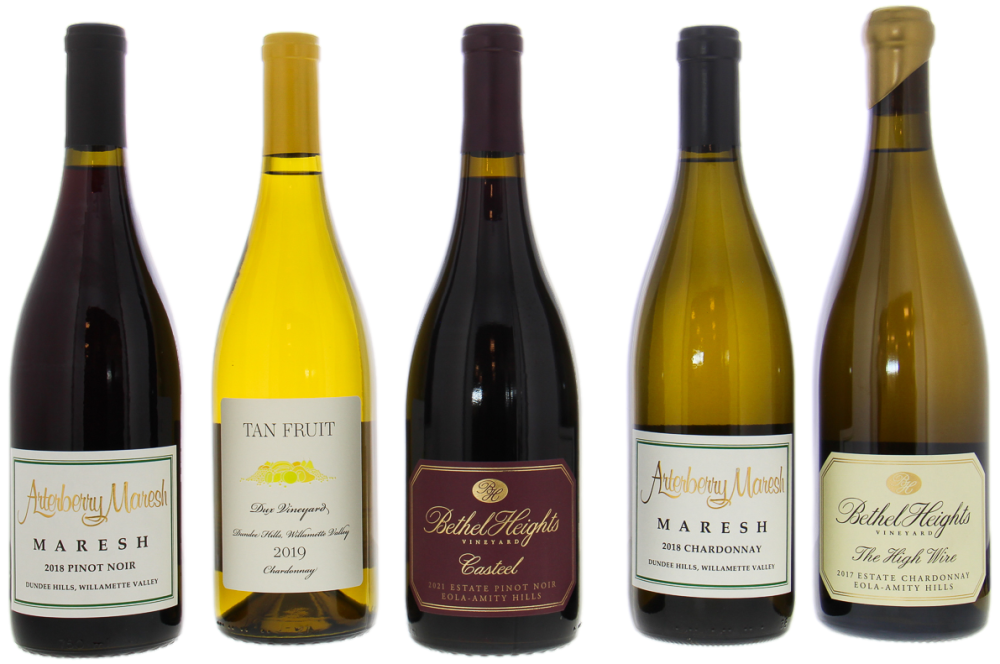
- Bethel Heights, established in 1977 and still a family-run estate winery. They still have some the last remaining own-rooted plants in the Willamette Valley and these vines continue to produce some of their finest wines in Oregon.
- Domaine Serene is known for its high scoring pinot noir and sometimes compared with DRC wines, based on their scores.
- Antica Terra makes ethereal, floral Pinots from select sites.
- Arterberry Maresh: The winery is known for its fantastic pinot noir and chardonnay wines. The pinot noir vines are clones from Pommard (Burgundy) and Wädenswil (Switzerland).

Tourism and Wine Trail
Oregon wine country shows no massive crowds or $100 tasting fees. Just go to Willamette Valley for the "Pinot Trail": bike between Dundee Hills spots like Domaine Serene or Eyrie Vineyards and drink elegant reds with beautiful valley views. McMinnville's Third Street is a place to visit, where you can enjoy local farm products like hazelnuts and salmon to pair with local Pinot noir wines.
Southern Oregon's Rogue Valley offers quieter Bed and Breakfasts. Visit family wineries which are happy to welcome you for a tasting or take a vineyard tour in a hot-air balloon.
With 3.5 million visitors yearly, you will have Napa-scale fun without the heavy traffic.
Statistics: Vineyards, Hectares, Production
Oregon has about 4,000 vineyards and roughly 30,000 hectares (74,000 acres) planted with wine grapes, producing nearly 2 million cases yearly. The Willamette Valley produces two-thirds of the Oregon total wine production by volume. About 725 wineries are active, varying from ultra-small artisan producers to larger commercial estates. Pinot Noir is the main grape in acreage and production of wine, followed by Pinot Gris, Chardonnay, and Riesling.
Exports are growing, worldwide but still accounts only around 1% of the total US wine production compared to California's 85% share.
A comparison of Oregon with Napa Valley and Burgundy
Napa Valley is known for its warm, Mediterranean conditions which is ideal for more heavy Cabernet Sauvignon, Merlot, and Zinfandel. Napa’s terroir produces rich, powerful fruit and contain higher alcohol. Wines are aged on more toasted oak. It has about 45,000 hectares of vineyards and nearly 500 wineries, producing about 4 to 5 million cases annually which is much larger in volume and commercial scale than Oregon.
Oregon is more about elegance and acidity, especially in Pinot Noir, resembling the Burgundian style but in a New World context. Grape variety diversity in Oregon is larger but Pinot Noir is the dominant grape. Oregon’s smaller size and cooler climate make it less commercial but with a strong premier quality focus.
Burgundy is similar in climate and grape variety (Pinot Noir and Chardonnay), but Burgundy has centuries of history, more fragmented vineyards, and higher prestige pricing globally. Its complex patchwork of climats reflects distinct terroirs, some micro-parcellas comparable to Oregon’s growing sub-AVAs. Burgundy’s regulations are more rigid, focused on terroir hierarchy and appellation control.
