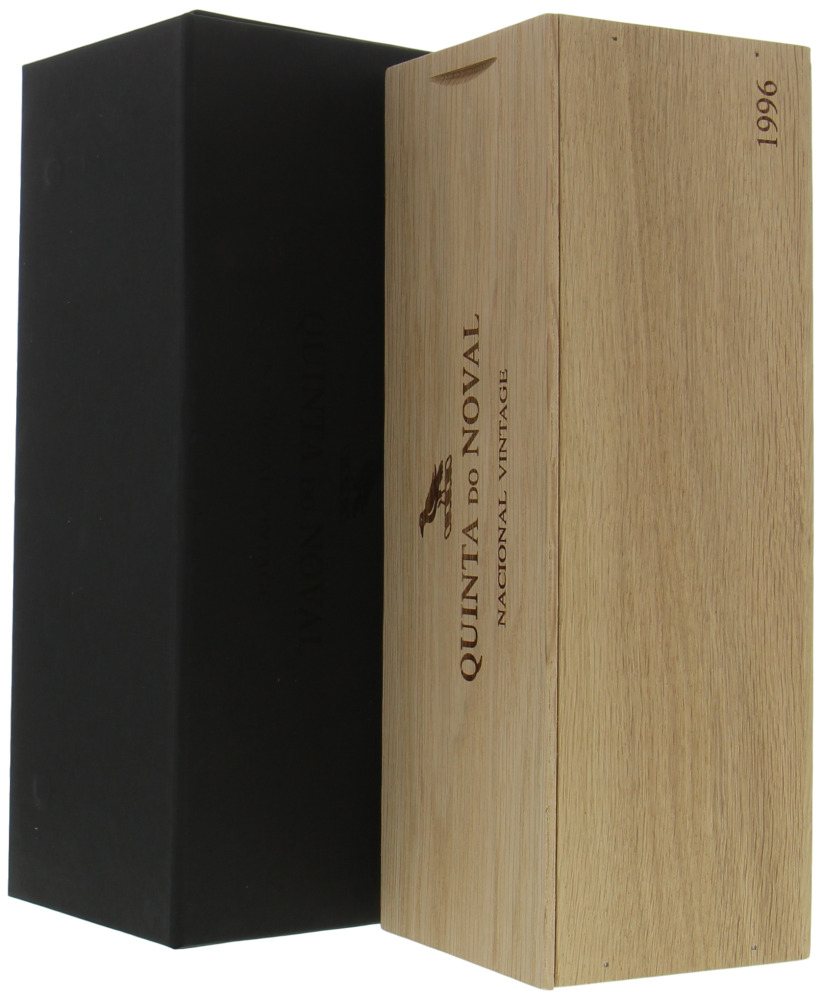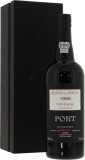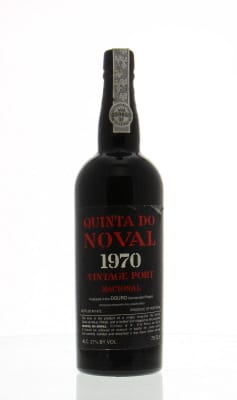

| Classification | Cru Classe |
| Type | Fortified |
| Producer | Quinta do Noval |
| Vintage | 1996 |
| Country | Portugal |
| Region | Douro |
| Grape | Port Blend |
| Alcohol % | 20% |
| Volume | 0,75 |
| Condition | Perfect |
| Label | Perfect |
| Stock | 3 |
1996 was not a year that most Port houses declared as a vintage. The growing season in the Douro was varied, and overall there was no big production that could be called a classic vintage. However, on a small plot called Nacional, vines ungrafted and resistant to phylloxera told a different story. That year, Quinta do Noval declared Nacional a "single quinta" vintage, banking on the strength of these 2.5 hectares, while almost no one else produced a 1996 vintage.
Very dry in style, with a grippy alder spine carrying bitter plum, black currant and juniper notes. Shows some wild herb and violet notes as well, gaining intensity and grip through the finish. Tightly focused and very distinctive.—Non-blind Quinta do Noval vertical (May 2018). Best from 2025 through 2050.
The first thing you notice is depth. Black figs, crushed blackberries and characteristic Nacional notes of iron and cassis. There are also touches of wood smoke, dried violets and bitter chocolate. On the palate, the wine is dense, not heavy, fortified at about 19-20%, but surprisingly calm. The tannins remain firm. The finish is long, savory and faintly salty.
Nacional is a blend harvested and pressed in the vineyard. The following varieties are planted in the plots:
Vines ungrafted, mixed planting.
The 1996 Nacional is still drinking well today, but there's no rush. It will last until 2040, maybe even longer. Vintage ports of this class usually age for 30 to 50 years; store horizontally at 12-14°C and decant carefully. There is considerable sediment.
Quinta do Noval is the only historic port to bear the name of its own vineyard and the only port to produce a vintage port solely from its own harvest. This is important. Most shippers blend quintas. Noval does not, and since AXA Millésimes bought the estate in 1993, the estate has declared Nacional only when the quality is undeniable. Notably, Nacional has been declared in years when the standard vintage was not. This level of discipline, we believe, is what makes Nacional what it is.
Nacional's vineyards are located in Cima Corgo, northeast of Pinhão, the center of high quality port wine production. The defining feature here is the shale (xisto), which breaks vertically, allowing the roots of the vines to penetrate deep in search of water. In a region with hot, dry summers and little rainfall in July and August, these deep roots are essential for survival. The terraces face in different directions and range in elevation from 100 to 500 meters.
Nacional is produced in the same way as port wine was two centuries ago. The grapes are placed in granite tanks called lagares and foot-trodden. Human feet can extract color and tannins from the skins without crushing the seeds. Then aguardente (a grape spirit with 77% alcohol by volume) is added to stop fermentation, locking in the natural sweetness and fortifying the wine to around 20% alcohol. The wine is then aged in old wooden vats for about 18 months before bottling.
Vintage Port is the wine that completes a meal. The classic combination with Douro still holds true today:
Serve at 16-18°C (61-64°F), slightly lower than room temperature. Decant at least 2 hours before serving to bring out the aromas and separate the sediment.
With track & trace code