
Solaia
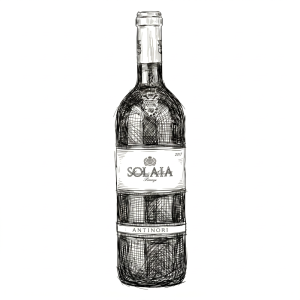
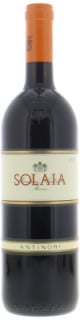
Solaia is a Cabernet-based sibling of Tignanello, from a single vineyard in Tenuta Tignanello, in the heart of Chianti Classico. It is not, however, a Chianti. Because it is dominated by Cabernet Sauvignon rather than Sangiovese, it is bottled as IGT Toscana. This choice, made by Antinori in the late 1970s, was unusual for the time and remains a defining feature of the wine.
So why is Solaia so important? Because it took Bordeaux grapes and planted them on Tuscan limestone to produce something that rivals the best wines in the world: in 2000, Wine Spectator magazine named the 1997 Solaia the first Italian wine of the year. Its reputation has not waned since.
About Antinori
Marchesi Antinori dates its wine business to 1385, when Giovanni di Piero Antinori joined the Arte Fiorentina dei Vinattieri, the Florentine winemakers' guild. The family goes back further still: a Rinuccio di Antinoro is recorded making wine at the Castello di Combiate, north of Florence, around 1180. The castle was destroyed in 1202, the family moved into Florence, and for a while wine gave way to silk and banking
For centuries it stayed a sideline next to silk, wool and banking. Then came Piero Antinori, the 26th generation, who broke the Chianti Classico rulebook with oenologist Giacomo Tachis. Cabernet Sauvignon and Cabernet Franc planted in Val di Pesa, aged in barrique, sold as simple table wine because the rules left no other option. That was Tignanello, released in 1974, followed by Solaia in 1978 and Guado Al Tasso from Bolgheri in 1990. The headquarters sit at Bargino, about 30 kilometres south of Florence, between Florence and Siena. Classic Chianti and Super Tuscans, both from the same house.
History & Heritage
The first vintage of Solaia, 1978, was experimental. Antinori had broken Chianti rules in 1971 by releasing Tignanello. Solaia went further: Cabernet Sauvignon and Cabernet Franc, with no Sangiovese. What changed: in 1982, Sangiovese was added to the blend, and Solaia has remained so ever since.
Originally, Solaia was only bottled in vintages that Antinori deemed worthy. Although now released annually, the spirit of selectivity remains: the 1997 vintage, honored by Wine Spectator in 2000, was the moment when the Italian wine officially entered the world stage. Its history still defines the way collectors relate to the brand today.
Terroir & Climate
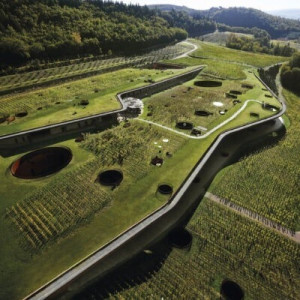
The Solaia vineyard is located 350-400 meters above sea level on the Tenuta Tignanello estate and faces southwest. The soil is a calcareous marl rich in alberese and pietraforte. Why is this important for Cabernet Sauvignon? The limestone provides drainage and minerality, and the high altitude means cool nights even in hot summers.
The daily difference between hot days and cool nights allows Cabernet to fully ripen without losing freshness. The result is a Cabernet wine with structure and tension rarely found at lower altitudes. This is why Solaia ages so well: limestone-grown wines retain their acidity for decades.
Grape Varieties
The blend is approximately:
- 75% Cabernet Sauvignon, the base of the blend, bringing tannins, cassis and graphite.
- 20% Sangiovese, characteristic of Tuscany, adding red cherry, acidity and earthiness.
- 5% Cabernet Franc, giving subtlety and nuances of violets and pencil shavings to the flavor.
So why this particular blend and not a pure Cabernet? Sangiovese ensures Solaia does not taste like a Napa or Bordeaux wine. Sangiovese brings the fruit back to Tuscany, making the wines Italian, even though they are dominated by Cabernet.
What are the best vintages for Solaia
Solaia scores very consistently over the years, which is a clear sign of a high-quality wine.
Nevertheless, there are a few vintages that are undoubtedly exceptional in quality. These are: 1985, 1997, 2007, 2010, 2013, 2015, 2016, 2018 and 2019.
Winemaking
Solaia is fermented in stainless steel, while Antinori strictly controls extraction. Malolactic fermentation takes place in new French oak barrels, after which the wine is aged for 18 months in the same barrels. A significant portion of new oak is used each year.
Why so much new oak? Cabernet Sauvignon of this concentration can absorb it. The oak adds cedar, vanilla and structural grip without drowning out the fruit flavors. After barrel aging, the Solaia is aged in bottle for another 12 months before being released to the public. By the time the wine reaches the cellar, it has had time to settle. However, it is a wine that still requires patience.
Tasting Notes
The first impression is one of depth. Aromas of black currant, blackberry and dark cherry are complemented by nuances of cedar, graphite and tobacco leaf. Dried herbs, leather notes and Tuscan earthiness hold the wine in place.
On the palate, Solaia is full-bodied but not heavy. The tannins are firm and fine-grained, and the acidity is surprisingly fresh considering the weight of the Cabernet. The finish is long and savory, with graphite limestone minerality. Young Solaia is suitable for decanting. With age, the fruitiness recedes and notes of cedar, truffle and dried flowers become dominant. Patience is required here.
Food Pairing
Solaia's tannins crave protein and fat. Bistecca alla Fiorentina is a Tuscan bone-in steak, served rare, with just salt and olive oil. The fat softens the tannins and the charring picks up the cedar notes of oak.
Other strong pairings:
- Pappardelle al cinghiale (wild boar ragout).
- Roast lamb with rosemary and garlic.
- Aged Pecorino Toscano, salt and umami in harmony with the structure.
Served at 16-18°C.
Serving Suggestions
Solaia at 16-18°C. If warmer, the alcohol comes to the fore, if lower, the flavors close in. Young wines (under 15 years old) should be decanted for at least 90 minutes. Older bottles, 30 minutes is sufficient, but this is mainly to wake them up, not soften them. A large Bordeaux glass will help bring out the flavors of the Cabernet.
Vintages
Solaia is consistently at the top, but the characteristics of the vintage are important here. Warmer years push Cabernet toward more ripe black fruit and rounded tannins, while cooler vintages bring more graphite, herbal lift and denser structure. Crafted in the hot but balanced Tuscan summer, the 2020 wine is characterized by concentration and finesse. The limestone-grown Cabernet shows aromas of leather, truffles and dried tobacco after more than 25 years of aging.
If you want to drink it at its peak, the wine should be aged in bottle for at least 15 years. The latest powerful vintages, such as the 2020 and 2022, are suitable for cellar aging and can be enjoyed for longer. Older vintages tend to cost more, and justifiably so.
Cellaring Potential
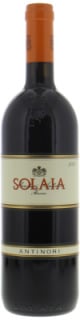
Solaia can be drunk from about 10 years old, and good vintages have a structure that can last 25-30 years. It combines tannins from Cabernet, acidity from Sangiovese and freshness from limestone. With time, notes of black currant and oak recede and are replaced by notes of leather, cedar and earth. The 1998 is a good benchmark of what a fully mature Solaia should taste like.
FAQ
Does Solaia qualify as a Chianti Classico?
The vineyard is in the Chianti Classico zone, but the cabernet-dominated blend is bottled as IGT Toscana.
Why is Solaia more expensive than Tignanello?
Low production volume, a single dedicated vineyard and a long track record in the upper echelons of Italian winemaking. Solaia is the flagship of the Antinori company.
How does Solaia compare to Sassicaia?
Both wines are Super Tuscan varieties with cabernet content, but Sassicaia comes from the coastal Bolgheri region, while Solaia comes from the higher altitude Chianti Classico. Solaia is more structured and salty, while Sassicaia tends to be more flavorful and Bordeaux-like.
Is Solaia an investment wine?
The top vintages of 1997, 2007, 2010 and 2015 have received consistently good reviews and continue to be in high demand at auction.
