

La Rioja Alta
Het wijnhuis La Rioja Alta kent zijn oorsprong in het hart van de Rioja streek en is gevestigd ten noorden van de stad Haro. Het wijngaardareaal is inmiddels uitgegroeid tot 660 hectare die verdeeld zijn over vier wijnhuizen. La Rioja Alta is onderdeel van de La Rioja Alta S.A. Groep.
Aan het einde van de 19e eeuw richtten vijf families de ‘Sociedad Vinícola de La Rioja Alta’ op, een zogeheten wijnvereniging. De eerste voorzitter was een vrouw, Doña Saturnina García Cid y Gárate. Onder haar leiding kwam de allereerste wijnmaker in dienst, een Fransman. Zo’n 100 jaar na dato vindt de eerste uitbreiding plaats. Het traditionele wijnhuis Lagar de Fornelos uit de subregio O Rosal in Galicië wordt overgenomen. De naam wordt veranderd in Lagar de Cervera. En het blijft niet bij deze ene uitbreiding. In de daaropvolgende 10 jaar worden er ook wijngaarden in Ribera del Duero en in Rioja Alavesa aangekocht.
Bij La Rioja Alta zijn traditie en moderne technieken nauw met elkaar verweven. De druiven worden verwerkt in Labastida. Labastida is de gedeelde wijnkelder en is uitgerust is met de meest geavanceerde technologie. Er wordt gewerkt met Tempranillo, Mazuelo, Garnacha en Graciano. Van deze vier speelt Tempranillo de hoofdrol speelt in elke wijn. Omdat houtrijping hier de kern is van de identiteit van de wijn, worden de houten vaten zelf gemaakt. Op deze manier kunnen de vaten zo gemaakt worden dat ze volledig aansluiten bij de stijl die de wijnmaker voor ogen heeft. Voordat de kuipers aan de slag gaan wordt eerst het geïmporteerde hout te drogen gelegd in de buitenlucht.
Het wijnhuis produceert crianza, reserva en gran reserva wijnen. Om die reden varieert de houtrijpingsduur per stijl. Na de rijping op vat worden de wijnen eerst nog opgeslagen in de kelder voordat deze op de markt komen. Deze Spaanse krachtpatsers zijn intens en gelaagd, wat zorgt voor zeer complexe wijnen. De reserva en gran reserva wijnen hebben een bewaarpotentieel van minimaal 15 tot 20 jaar.
De beste jaargangen van La Rioja Alta zijn: 2001, 2004, 2005, 2010, 2016 en 2018.
History
La Rioja Alta was founded on 10 July 1890, when five families from Rioja and Basque joined forces to establish the Sociedad Vinícola de La Rioja Alta. Doña Saturnina García Sid-i-Garate became the first president, and the first winemaker was a Frenchman, Monsieur Vige. His first wine, Reserva 1890, is the direct predecessor of today’s Gran Reserva 890. The timing was no coincidence. Phylloxera had devastated French vineyards, Bordeaux wine merchants were seeking suppliers in the south, and the new railway station in Haro facilitated the shipment of wine. In 1904, one of the founders, Don Alfredo Ardanza, merged his winery with the company, and this event was marked by the wine Reserva 1904, now known as Gran Reserva 904. The wine Ardanza was first named and registered in 1942. The fifth and sixth generations of the founding families continue to run the business, which has also evolved into a group comprising Torre de Oña in Rioja Alavesa, Áster in Ribera del Duero and Lagar de Cervera in Rías Baixas.
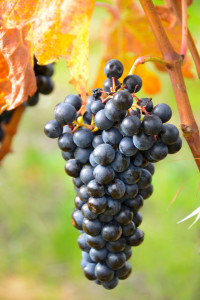
Grapes
The focus is on traditional Rioja varieties, with Tempranillo being the main variety, complemented by Graciano, Mazuelo (Carignan) and Garnacha. In La Rioja Alta, modern-style single-vineyard red wines are not produced; the approach remains one of classic blending of harvests from different fields and villages in accordance with the house style.
Winemaking
The grapes are harvested by hand into small crates and transported to the winery in refrigerated lorries. Fermentation takes place by plot in stainless steel tanks using the Bordeaux method for destemming and crushing, followed by alcoholic and malolactic fermentation. The wine is then transferred to American oak barrels crafted by the estate’s own coopers. Ageing is prolonged, and the wine is racked by hand every six months by candlelight. No filtration takes place prior to bottling, and the wines mature in the bottle before release.
Vineyards
Today, La Rioja Alta owns around 587 hectares of vineyards, most of which are located in the finest parts of Rioja Alta, with plots in villages such as Brinjas, Rodezno, Fuénmayor, Senicero and Villalba. There is also a key holding called La Pedriza in Tudela (Rioja Oriental), which supplies the Garnacha variety for Viña Ardanza. Since around 2005, most of the grapes used to produce the estate’s finest wines have come from its own vineyards rather than from contract growers, allowing for much stricter quality control.
Terroir
Rioja is situated where Atlantic and Mediterranean influences meet. In the vicinity of Haro, the climate is cooler and more humid, thanks to Atlantic air flowing down the Ebro valley. Average rainfall is around 490 mm, and the average temperature is approximately 13.4 °C. The soils are a mixture of calcareous clays, alluvial clays and iron-rich clays, depending on the plot. The Tudelia plot, situated further east, is hotter, drier and rockier, which gives the local Garnacha its richness.
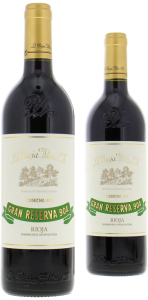
The wines
La Rioja Alta has a diverse line-up of wines:
- Viña Alberdi Reserva. 100% Tempranillo from vineyards in the vicinity of Haro and Labastida. Aged for two years in American oak: the first year in new barrels, the second in four-year-old barrels, with four manual rackings. An entry-level wine produced in large volumes (around 650,000 bottles in recent vintages).
- Viña Arana Gran Reserva. Approximately 95% Tempranillo and 5% Graciano. Upgraded from Reserva to Gran Reserva from the 2012 vintage onwards. Aged for three years in American oak with racking every six months. A fresher, more elegant style of Gran Reserva, occupying a middle ground between Alberdi and the more powerful wines.
- Viña Ardanza Reserva. Around 80% Tempranillo from Fuengirola and Senicero and 20% Garnacha from Tudela. The Tempranillo wine is aged for 36 months in American oak, the Garnacha is aged for 30 months to preserve its freshness. Ardanza is the estate’s most known wine, with a typical production of around 600,000 bottles.
- Gran Reserva 904. Around 90% Tempranillo and 10% Graciano. It is aged for four years in American oak with racking every six months, followed by extended ageing in bottles. Produced only in very good vintage years. Typical production runs to around 120,000–150,000 bottles.
- Gran Reserva 890. The flagship wine, produced only in exceptional years. Tempranillo with a small addition of Graciano and Mazuelo, sourced from the estate’s oldest vines. Six years in American oak plus extended ageing in bottles before release, around 10,000–15,000 bottles per vintage.
Best Vintages
As La Rioja produces a range of wines, quality per vintage may vary per wine.
However, the following (recent) vintages belong to the best:2001.2004, 2010, 2015, 2016, 2018, 2020.
