Appellations
Oregon's wine appellations, or AVAs, define distinct growing zones that highlight the state's variety in climates and soils. There are 23 AVAs and they range from cool climates to warmer southern vineyards..
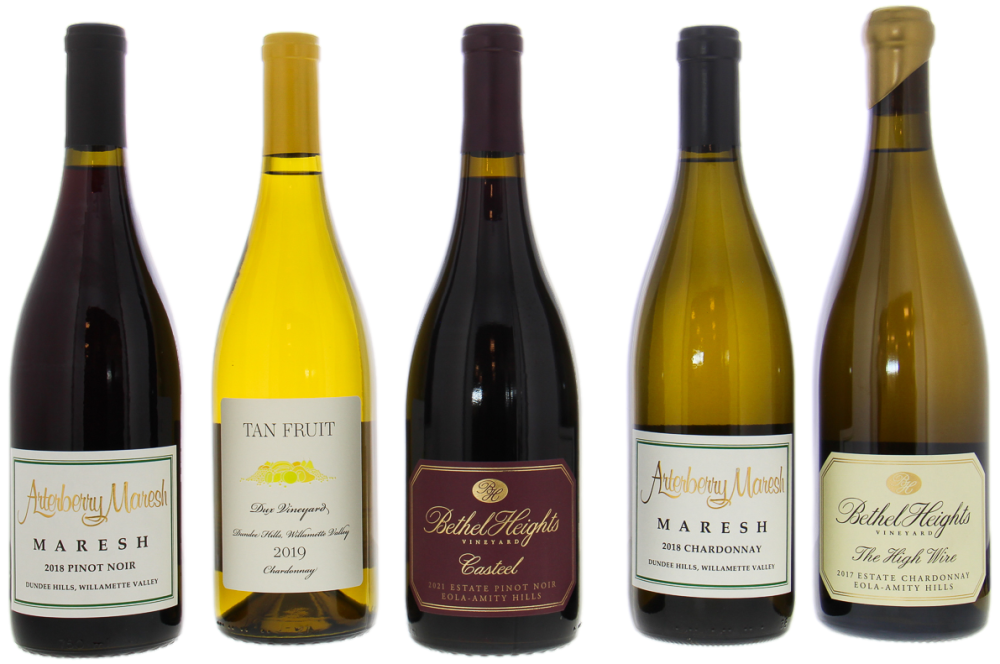
The heart is Willamette Valley AVA, established in 1983, which has the most production. Inside there are 11 sub-AVAs: Dundee Hills (volcanic reds, fruity Pinots), Yamhill-Carlton (clay-driven structure), Eola-Amity Hills (windy elegance), Ribbon Ridge (mineral marine soils), Chehalem Mountains (elevation diversity), McMinnville (foothill power), Van Duzer Corridor (ocean breezes), Laurelwood District (silty loams), Tualatin Hills, Lower Long Tom, and Mt. Pisgah, Polk County (newest, dense plantings).
Southern AVA's include Southern Oregon AVA, umbrella for Umpqua Valley (diverse, 40+ soils) and Rogue Valley (warm Tempranillo, Syrah), plus areas like Applegate Valley and Elkton Oregon (Pinot-focused).
Eastward: Columbia Gorge AVA (windy, varied altitudes), Oregon's share of Walla Walla Valley and Columbia Valley (high-acid reds), and Snake River Valley (Riesling, ice wines straddling Idaho).
Rules require 95% grapes come from the named AVA, which is stricter than many U.S. spots. Growers use these to spotlight terroir, much like Burgundy's villages.