

Ornellaia
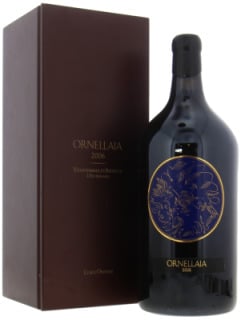
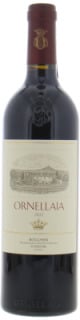
Ornellaia is top tier of Italian wines. When Lodovico Antinori planted Bordeaux varieties in Bolgheri in the early 1980s, critics were skeptical. Could French grapes really take root on the Tuscan coast? The first harvest of 1985 showed the answer, and in the 1990s wine collectors from around the world began hunting for bottles. From a simple vino di tavola to one of the most sought after wines of Italy.
But what sets Ornellaia apart from other super Tuscan wines? It's the combination of terroir and vision. Sea breezes that soften the Tuscan heat create the perfect conditions for Cabernet Sauvignon and Merlot. Ornellaia has stayed true to its Bordeaux-inspired roots, but has refined its approach. Each vintage is a blend of the best parts of the estate, resulting in a wine that combines power and elegance.

The Producer
Tenuta dell'Ornellaia was founded in 1981 by Lodovico Antinori, but the story of this estate began with a calculated risk. Lodovico could have quietly grown Sangiovese as he did elsewhere in Tuscany. Instead, he planted Cabernet Sauvignon, Merlot and Cabernet Franc on soils where these varieties had never been grown on an industrial scale. Terroir showed him it was possible. Marine sediments and clay-limestone soils combined with the coastal microclimate were more reminiscent of Bordeaux than the traditional Chianti region. By 2005, when the Frescobaldi family purchased the estate, Ornellaia had already proven its concept.
Next to a Ornellaia Bianco Ornellaia produces a range of very nice wines like La Serre Nuove, Le Volte and Poggio alle Gazze.
Tasting Notes
This is a serious wine from the moment it is poured. The nose starts with black currant and dark cherry, but underneath lurks more complex notes of cedar, graphite and distinctive Tuscan herbs driven by the maritime climate. On the palate, Cabernet Sauvignon gives structure and Merlot gives fleshiness and roundness.
The tannins are firm but refined, not overpowering. This is not a wine that immediately shows all it can do. With time in the glass, there are layers of tobacco, dark chocolate and threads of minerality in the finish. The blend works because each varietal makes a significant contribution. Cabernet Sauvignon for structure, Merlot for suppleness, Petit Verdot for color and spice, and Cabernet Franc for aromatics. Young vintages take 5-7 years to fully integrate, but while waiting they reward patience with incredible depth and complexity.
Grape Varieties
Wine compositions vary slightly from year to year, but typically include:
- 50-60% Cabernet Sauvignon
- 25-30% Merlot
- 10-15% Petit Verdot
- 5-10% Cabernet Franc
Cabernet Sauvignon brings the firm tannins and cassis notes that give Ornellaia structure. But Merlot plays an important role here, adding the plush texture that makes this wine so approachable in its youth. Interestingly, this wine uses more Petit Verdot than most Bordeaux blends, often more than 10%.
Why is Petit Verdot so important? It lends intensity of color and spicy aromas that perfectly complement coastal terroir. This varietal thrives in the warm, dry conditions of Bolgheri, which are rarely found in Bordeaux. The result is a wine that is both Bordeaux-inspired and distinctly Italian.
Winemaking
Grapes are hand picked and carefully selected. Aging after fermentation is done for 18 months in French oak barriques. Only 225-liter barrels are used, which is a traditional size for Bordeaux and the right ratio of oak to wine.
Each grape variety is fermented separately in temperature-controlled stainless steel and concrete tanks. This allows for the creation of the final blend from dozens of individual batches and select only the best plots for the Grand Vin.
Food Pairing
This structure requires protein to soften the tannins. Start with bistecca alla Fiorentina. The heavy T-bone steak pairs perfectly with Ornellaia. The richness of the beef enhances the power of the wine, while the charring introduces notes of smoky oak.
For a more refined dish, try brazato al barolo (braised beef in wine sauce) or pappardelle with wild boar ragout. These dishes have a complexity that matches the layered character of the wine. Aged Pecorino Toscano is also beautiful: the nutty and salty flavors of this cheese make a perfect contrast with the fruit.
Serve at 16-18°C after decanting for at least one hour. This wine opens up considerably when exposed to air, revealing nuances that are not immediately apparent from the bottle.
Vintages
Ornellaia tends to be remarkably consistent from vintage to vintage, which speaks to both the terroir and the precision of the winemaking. The estate's proximity to the sea provides a gentle influence that prevents dramatic swings in style, but the individuality of the vintage is certainly evident.
Warmer years, such as 2019 and 2016, produce more immediate, attractive wines with more ripe fruit and soft tannins; cooler vintages, such as 2014, are more structured, mineral-dominated and require longer aging, but often reward longer aging in the long term.
Outstanding vintages of recent decades include 2013, 2016 and 2019, each reflecting the conditions of the vintage while expressing the underlying character of the wine. For immediate consumption, look for vintages that are 8-10 years old. For serious cellar aging, the best long-term potential comes from well-structured vintages made during the cool growing season.

Cellaring Potential
Peak drinking time is on average between 8-25 years after release, but with proper storage this wine can be enjoyed for much longer. The combination of firm tannins, good acidity and concentrated fruit provides the structure needed for long aging.
What enhances the aging potential? The tannins in Cabernet Sauvignon need time to soften, during which time oak integration occurs in the bottle. Store at 12-14°C in a dark and humid place. Over time, the primary fruit aromas are expected to develop into more complex tertiary aromas of leather, tobacco and earthy mineral flavors reflecting Bolgheri's terroir.
This wine can be drunk young, but its complexity and elegance will increase with patient cellaring.
Serving Suggestions
Serve Ornellaia at 16-18°C. Decant, especially for vintages up to 10 years old. Recent releases should be decanted for two hours, and wines from the mid-2010s should be decanted for an hour. In a decanter, the wine changes, the flavors open up and the harsh tannins soften. If possible, use a large Bordeaux glass. There is no rush with this wine, it should be opened well before you plan to drink it.
History & Heritage
The story of Ornellaia began when Lodovico Antinori left the family business in 1981. Instead of competing directly with his brother Piero's Tignanello, Lodovico went to Bolgheri with a different vision: the first commercial harvest in 1985 proved the concept right, but the ownership changed several times, from Antinori to Mondavi in 1999, and in 2005 to the Frescobaldi family.
Each transition brought evolution. Mondavi introduced American winemaking techniques. However, it was under the Frescobaldi's that the character of Ornellaia became more refined. They brought in Axel Heinz from Bordeaux and focused on expressing the unique character of Bolgheri terroir rather than mimicking the French model. The result? Wines with an unmistakably Italian flavor while retaining the structure and aging potential that made Bordeaux famous. Today, Ornellaia is proof that the Super Tuscan movement was not just a rebellion, but a discovery of what Tuscan terroir can achieve with the right choice of varietal.
FAQ
Is Ornellaia a super Tuscan?
Yes, it is one of the first Super Tuscan wines to use international varieties instead of the traditional Sangiovese.
How long does Ornellaia keep for?
With proper storage it can keep for at least 25 years, but longer for special vintages.
Why is Ornellaia so expensive?
Limited production (about 150,000 bottles per year), premium terroir and constant critical acclaim account for the high price.
Does Ornellaia need to be decanted?
Of course. At least one hour for older vintages, two hours if less than ten years old.
