
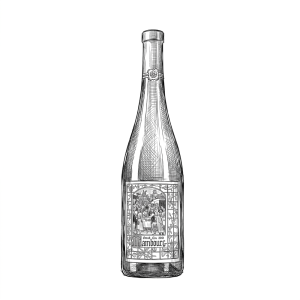
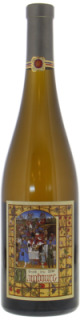
Mambourg
Mambourg is a blend of Pinot varieties, which in itself is unusual in modern Alsace, where single-variety bottlings have been the norm since the 20th century. Pinot Noir, Pinot Gris, Pinot Blanc, Pinot Meunier and Auxerrois were planted together on the same Grand Cru plot in Sigolsheim, brought together and fermented as a single wine.
Why this particular method? Jean-Michel Deiss believes that the vineyard is more important than the grapes. Mambourg is one of the warmest Grand Crus in Alsace, facing south, with calcareous marl on Jurassic limestone. Everything planted here must first and foremost have a Mambourg flavor. This wine is exactly that.
About Marcel Deiss
Almost every Alsace producer puts the grape variety on the label. Marcel Deiss does not, and that has been the case since the late 1990s, when the family dropped varietal names in a region that had built its reputation on Riesling, Gewurztraminer and Pinot Gris. The estate farms 32 hectares around Bergheim, in the Ribeauvillé fault zone, where soils change from one plot to the next like a mosaic. Everything is biodynamic, yields are low, and the vineyards are planted by complantation: 13 Alsatian varieties growing intermixed, picked together, pressed together, fermented together. No blending afterwards. Writing for James Suckling, Stuart Pigott called the Deiss family pioneers of field blends and has been visiting Bergheim since the late 1980s. Grand Crus include Schlossberg, Schoenenbourg, Altenberg de Bergheim and Mambourg.
History & Heritage
The Deiss family has lived in Bergheim since 1744. In 1947, Marcel Deiss returned from the war and built the estate as it exists today. The real transformation occurred in the eighties when his grandson Jean-Michel took over the farm after completing his studies in oenology.
Why is this important? Because Jean-Michel didn't just inherit the winery. He spent the following decades redefining Grand Cru wines in Alsace: the joint planting of Grand Cru vines, introduced in 2005, was essentially his doing. When you open a bottle of Mambourg, you are drinking the practical result of decared of discussions with INAO.
Terroir & Climate
The Grand Cru Mambourg overlooks Sigolsheim at an altitude of between approximately 210 and 340 metres, stretching 1.3 kilometres along the hillside and facing due south. It is the earliest-ripening slope in the entire Alsace wine region, renowned since the Middle Ages for the vast amount of sunlight it receives — wines from Sigoltesberg, as it was then known, were already praised in records dating back to 783. The soil here is calcareous-magnesian, formed from Oligocene limestone conglomerates and marl.
Limestone lends the wine structure and a slightly salty note on the finish, which prevents such ripe fruit from becoming heavy, whilst the geology of Mamburg is also credited with a rare tannic density, unusual for a white wine and one of the factors that make this bottle so distinctive. Secondly, ripeness. A vineyard blend containing Pinot Noir and Pinot Meunier can only be successful if all the varieties reach physiological ripeness at the same time, and the warmth and early ripening cycle in Mambourg make precisely this possible. Alsace is one of France’s driest wine-growing regions, thanks to the rain shadow cast by the Vosges mountains, with annual rainfall of around 500–600 mm, and this south-facing slope is situated in the warmest and driest part of the region, even by local standards.
Grape Varieties
The blend is made up of Pinot varieties, co-varietally grown and co-fermented:
- Pinot Noir, ripe red fruit and soft tannins.
- Pinot Gris: smoky, honeyed heaviness.
- Pinot Blanc: structured backbone.
- Pinot Meunier, rare in Alsace, gives spice and expansiveness.
- Auxerrois: freshness and roundness.
The exact proportions are not officially published. Deiss doesn't want to count the grapes. The vines grow together, ripen together and ferment together. What you taste is Mambourg, not a recipe.
Winemaking
The estate has been certified biodynamic (Demeter) since 1998, and was organic before that. Yields are kept low. The cellar uses a deliberately loose approach: whole cluster pressing, fermentation with indigenous yeasts, slow fermentation and long aging in large old oak barrels (not new barriques, but large neutral oak barrels). No fining or filtration is used in bottling.
Why old barrels and not new barrels? Because Deiss doesn't want vanilla or toastiness present. The foudres allow the wine to breathe, but do not impart flavor. Aged on the lees for 12 months, it gains texture and depth. What goes into the bottles is the flavor of Sigolsheim, not the flavor of the cellar.
Tasting Notes
The first impression is heaviness without being heavy. The warmth of the Mambourg shows in ripe stone fruit, yellow plum, quince and candied citrus zest, with a smoky note from the Pinot Gris and a faint red fruit lift from the Noir and Meunier components. Honey, beeswax and faint spice.
A hint of limestone is felt on the palate. It also feels salty, and the long mineral finish is less intense. The texture is broad but not extravagant. The tannins are subtle but present, reminding us that this is partly a red grape wine. Most wines from this vintage are drinkable after about five years.
Food Pairing
Mambourg is weighty, salty and grippy. To pair with this wine, it needs fatty foods with umami flavors.
- Roasted Bresse chicken with morels, the earthiness of the mushrooms emphasizes the smoky notes of the pinot gris.
- Münster cheese, a local cheese, matches the saltiness of the wine.
- Foie gras, a traditional Alsatian combination, the acidity of the wine cuts through the richness.
- Choucroute garnie or baeckeoffe, a traditional dish, nothing beats this wine.
- Roast pork belly with apples
Serve at a temperature of 12-14°C. Too cold a wine will close down the flavors.
Serving Suggestions
Serve at 12-14°C. Too cold to store in the refrigerator. Decant young bottles within 30-45 minutes. For older wines, simply pour and wait 10 minutes. A standard white Burgundy glass will suffice. No need for luxurious glasses.
Vintages
Mambourg is a warm region, so even in cool Alsatian years, you can get ripe, opulent wines here; in hot years like 2018 and 2019, the richness is further enhanced with more honey and stone fruit. Limestone keeps the wines from becoming extravagant, but these wines drink well early on. Cooler years create more tension and require longer cellar storage.
Look for wines with 7-10 years of aging if you plan to drink them in the next year or two. In the cellar, recent warm vintages are typically stored until the late 2030s. Older bottles tend to cost more, which is justified since these wines age gracefully.
Cellaring Potential
Most Mambourg wines drink well from about the fifth year onwards and age easily for 15-20 years. What contributes to aging? Limestone acidity, saline texture, structural contribution of Pinot Blanc and Auxerrois. Store horizontally at 12-14°C, away from light. Aging deepens the smoky, honeyed flavors and enhances the spicy, almost truffle-like complexity of the wine.
