
Le Pergole Torte
Le Pergole Torte was the first wine made from 100% Sangiovese in Tuscany. It wasn't marketing: when Sergio Manetti and his oenologist Giulio Gambelli bottled the first vintage in 1977, Chianti Classico rules still required white grape varieties such as Trebbiano and Malvasia to be added to the blend. Manetti refused, and by 1981 had withdrawn from the Chianti Classico consortium altogether.
What does this have to do with the wine in the glass? Everything. Le Pergole Torte is produced from a single plot planted in 1968 in Montevertine, 425 meters above sea level in Radda-in-Chianti. It is labeled as IGT Toscana, not Chianti Classico DOCG. It is the benchmark for Sangiovese in Tuscany.
About Montevertine
Montevertine is located on a hill between Florence and Siena, deep in the Chianti Classico zone, yet it refuses to use its name. Why?
Because Sergio Manetti, a former Milanese steel businessman who bought the abandoned village in 1967, decided that consortium rules limited Sangiovese; after his death in 2000, his son Martino took over, working with the legendary Giulio Gambelli. Since 2009, the farm has been fully certified organic.
Best of Wines considers Montevertine to be one of those rare producers whose philosophy has remained unchanged for 50 years, making their wines even better.
History & Heritage
The turning point came in 1977. Manetti and Gambelli released Le Pergole Torte, 100% Sangiovese, in a region where 100% Sangiovese was officially banned. The early vintages were sold as Vino da Tavola, the lowest legal category, but made it onto restaurant lists on par with Italy's most expensive red wines.
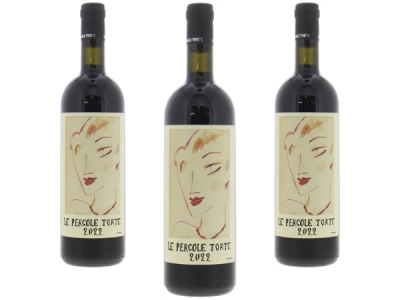
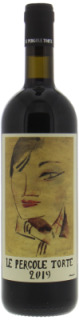
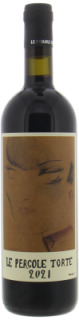
Why does this still matter today? Because Le Pergole Torte helped invent a template that producers like Fontodi (Flaccianello) and Isole e Olena (Cepparello) later followed. Since 1982, each vintage has been hand-painted by artist Alberto Manfredi. Each year the image changes. Wines are only released from years that Martino considers worthy.
Terroir & Climate
Radda in Chianti is the highest and coolest of the three historic communes of Chianti Classico. Le Pergole Torte vineyards sit at 425 meters above sea level, and the soils consist of galestro (crumbly slate marl) and alberese (hard limestone). And this combination is exactly what Sangiovese is all about.
What does this give the wine? The higher altitude means a longer growing season, so acidity remains high and tannins ripen slowly. Galestro and Alberese are well drained, but this puts stress on the vines and concentrates the flavors. The result is a Sangiovese with red cherry fruit, notes of dried herbs, tea leaf spiciness and a tension rarely found in warmer Chianti zones such as Castelnuovo Berardenga.
Grape Varieties
Le Pergole Torte is made up of 100% Sangiovese. No Canaiolo, Colorino or Cabernet is used. Why here when other Montevertine wines use blends?
Because the Pergole Torte plot, planted in 1968, produces fruit that is full enough to be self-sufficient. Radda's Sangiovese is inherently acidic and tannic, with red cherry, blood orange and herbal, almost iron qualities. The addition of other grape varieties will soften these characteristics. The point of this wine is to show what one land, one grape, one philosophy can deliver when nothing else gets in the way.
Winemaking
Montevertine's decisive choice is something they don't do. No barriques are used.
Le Pergole Torte is fermented in old cellars using traditional methods and aged for about 24 months. Most of the aging time takes place in large Slavonian oak barrels and less time in French tonneaux (medium-sized barrels of about 500 liters). Why it's important. The large, neutral oak allows the Sangiovese to retain its red fruit clarity and chewy acidity. Smaller new oak barrels coat the wine with vanilla and hide its origins. After barrel aging, the wine is allowed to rest in the bottle before release. The result is unmistakably Sangiovese and unmistakably unoaked.
Food Pairing
High acidity and fine tannins make Le Pergole Torte primarily a food wine. Taste:
- Bistecca alla Fiorentina, rare, with salt and olive oil only.
- Pappardelle with wild boar ragout
- Braised Tuscan beef with black pepper, cooked over low heat, Peposo
- Aged Pecorino Toscano
The acid cuts through the animal fat, while the tannins capture the protein and soften it. Avoid too sweet or spicy; serve in a Burgundy-style glass at around 17°C.
Serving Suggestions
At 16-18°C. Higher temperatures expel alcohol, lower temperatures close down flavors. Decant young vintages for at least an hour; for bottles aged more than 15 years, 20-30 minutes is sufficient. For this aromatic Sangiovese, a wide Burgundy glass is more suitable than a narrow Bordeaux glass.
Vintages
Le Pergole Torte is a wine critical of the vintage but retains its homegrown style: warm, drought-stricken years such as 2017 and 2022 yield bottles with fuller, more concentrated fruit, though freshness is better preserved than at lower altitudes in Chianti. Cooler, classier years give a style reminiscent of the red cherry and tea leaf fruit for which these wines are famous.
If you are drinking this year's wine, it should be at least 10 years old. Once aged, the wine rewards patience, and older bottles are worth more. All vintages on the market have already gone through an internal filter, as they are only released in years that Martino Manetti deems worthy.
The best vintages of Montevertine Le Pergole Torte
The level and quality of this wine is very high. However, some exceptional vintages are: 1979, 1986, 1990 (riserva), 2006, 2007, 2013, 2016, 2017, 2020, 2021.

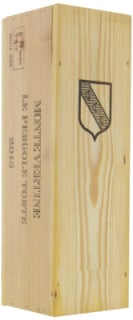
Cellaring Potential
Le Pergole Torte matures through acidity and tannins, not weight. Good vintages drink well 8-10 years after harvest and keep for 25 years, sometimes more. With age, the red fruitiness transitions to dried cherry and orange zest, the tannins mellow, and savory, tea and tobacco flavors come to the fore.Store horizontally, in a light-protected place at 12-14°C.
