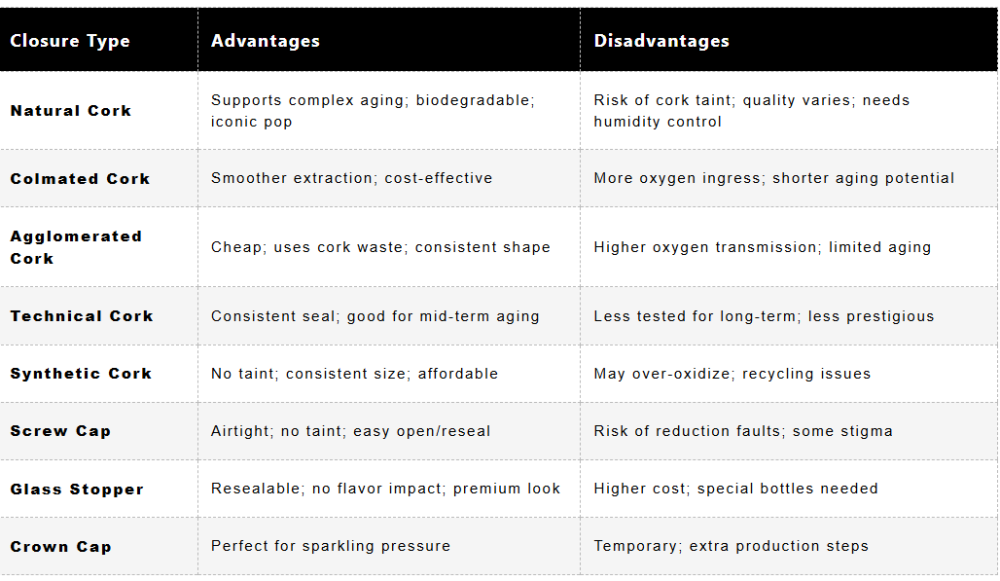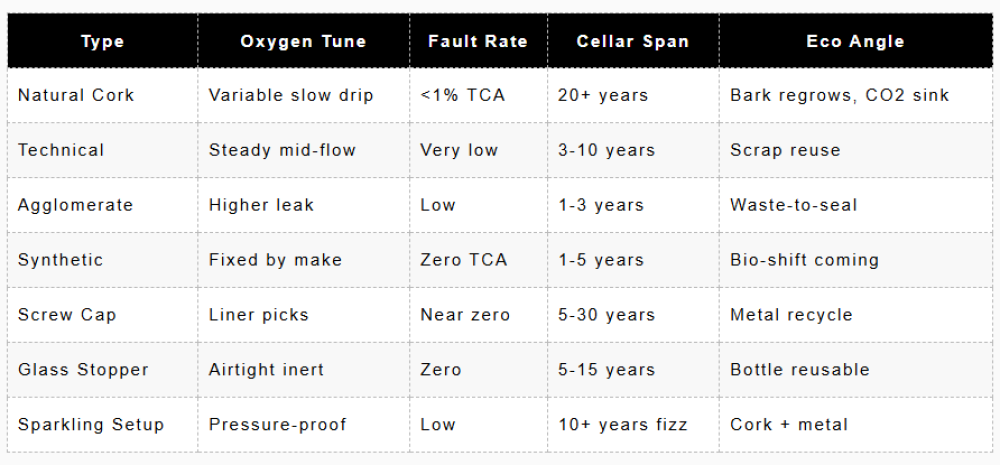

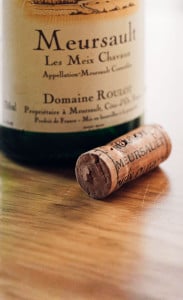
It’s easy to overlook, but the small piece that seals a wine bottle determines how the wine ages, tastes, travels, and is perceived. Wine bottle closures today range from traditional natural cork to screw caps, synthetics, agglomerates, technical corks, glass stoppers, and crown caps, each with trade-offs in oxygen management, TCA and taint risk, sustainability, and of course the cost.
Many estates mix and match: natural cork for age-worthy reds, screw caps or technical corks for aromatic whites or wines meant for early drinking, and crown caps for sparkling.
Wine bottle closures have seen a gradual evolution over centuries from simple plugs to high-tech seals, essential for the aging and preservation of the wine and its quality.
This article explores that evolution, history of tests by famous producers, various closure types, the research and development of closures, the pros and cons, usage statistics, and future trends.
Let's take a closer look now ...