

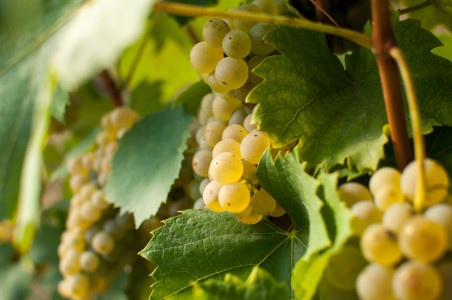
Furmint
Furmint is one of the most distinctive and historically significant white grape varieties in the world. Native to Hungary, it is most closely associated with the Tokaj wine region in the north-east of the country, where it has been grown for centuries. This grape variety is also grown in neighbouring Slovakia, the Austrian region of Burgenland and Slovenia, but Hungary remains its spiritual home.
The variety is believed to have ancient origins, with written references to it in the Tokaj region dating back to the 13th century. Its name is thought to derive from the French word froment, meaning “wheat”, possibly in reference to the golden colour of the berries at peak ripeness. Furmint's thick skin makes it very susceptible to Botrytis cinerea, a noble rot that dries out the berries and concentrates the sugar in them, a phenomenon that has made Tokaji Aszú one of the most famous sweet wines in European history, celebrated by King Louis XIV of France.
In modern winemaking, Furmint is increasingly used to produce dry table wines, demonstrating its enormous versatility. These dry wines have attracted international attention and helped Hungary gain a serious place on the world stage of high-quality wine production. This grape variety has high acidity and extract, which gives the wines exceptional structure and ageing potential.
Taste
Dry Furmint wine is characterised by its freshness and vigour, piercing acidity and mineral character. Aromas typically include green apple, lemon zest, quince and white peach, often with characteristic smoky or flinty notes reminiscent of Tokaj's volcanic soils. With age, notes of beeswax, dried apricots, roasted nuts and honey appear in the wines.
In its sweet form, Aszú Furmint is extraordinarily complex — rich and juicy, but never cloying, thanks to its characteristic high acidity, which keeps the wine fresh and balanced throughout decades of ageing.
